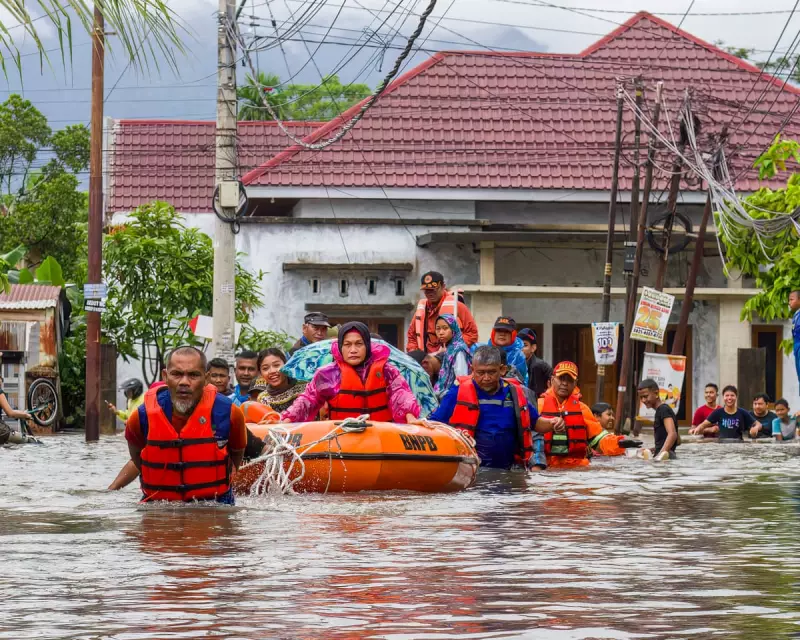
Catastrophic monsoon rains have unleashed devastation across South-East Asia, leading to a severe humanitarian crisis marked by significant loss of life and widespread displacement. The relentless torrential rainfall, which intensified throughout late December, has caused rivers to burst their banks and triggered deadly landslides, crippling infrastructure and overwhelming emergency services.
A Region Submerged: The Scale of the Disaster
Authorities across several nations have confirmed a grim and rising death toll. More than 200 people are reported to have lost their lives as a direct result of the flooding and associated incidents. The scale of displacement is staggering, with preliminary estimates suggesting over two million individuals have been forced from their homes. Vast swathes of agricultural land lie ruined under metres of water, raising immediate concerns for food security and livelihoods in the coming months.
The impact has been felt most acutely in low-lying and coastal communities, where flood defences were simply unable to cope with the volume of water. Major transport links, including roads and railways, have been severed, hampering relief efforts and isolating countless villages. Power outages are widespread, and access to clean drinking water has become a critical issue, increasing the risk of waterborne diseases.

Response and Recovery: A Daunting Challenge
National governments and international aid agencies have mobilised a large-scale emergency response. Military units are involved in search-and-rescue operations, using boats and helicopters to reach stranded citizens. The immediate priority is delivering essential supplies—shelter, food, clean water, and medical aid—to the affected populations.
However, responders face immense logistical hurdles due to the damaged infrastructure. The establishment of temporary evacuation centres is underway, but these facilities are rapidly reaching capacity. Health officials are on high alert for outbreaks of diseases such as cholera and dengue fever, which often follow major flooding events in tropical regions.
Climate Context: A Sign of a New Normal?
While the South-East Asian monsoon is an annual seasonal occurrence, meteorologists and climate scientists are noting the exceptional intensity and volume of this year's rainfall. Many are linking the extreme weather event to broader patterns of climate change, which is known to increase the frequency and severity of such phenomena.
Warmer atmospheric and ocean temperatures can supercharge monsoon systems, leading to more concentrated and destructive precipitation. This disaster is likely to reignite urgent discussions about regional climate adaptation strategies, investment in resilient infrastructure, and enhanced early warning systems to mitigate the impact of future extreme weather events.
The road to recovery for South-East Asia will be long and costly. Beyond the immediate humanitarian needs, the region must now confront the enormous task of rebuilding homes, restoring farmland, and repairing critical public infrastructure, all while preparing for the increasing volatility of its climate.