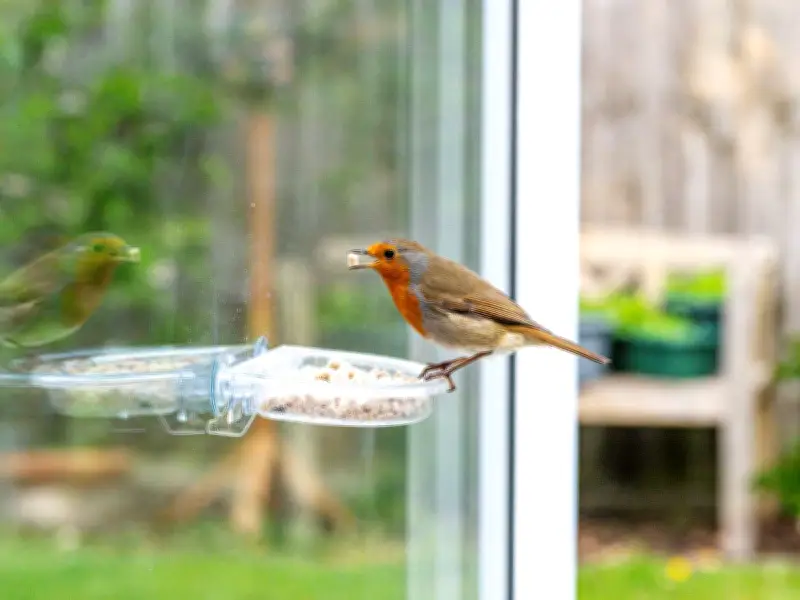
The RSPB has issued a warning to homeowners who restock their bird feeders each morning, saying this common practice could do more harm than good to garden wildlife. According to experts, slowly adding smaller amounts of food throughout the day is a better approach, as bird food left baking in the summer sun can spoil and potentially put visiting wildlife at risk.
Don't Overfill Bird Feeders
One common mistake many people make during summer is filling bird feeders to the brim. The RSPB says it's much better to put out food little and often, as warm weather causes bird food to spoil much more quickly. This is especially important because ground-feeding birds, such as blackbirds, often struggle to find worms and insects during dry spells when the ground becomes hard.
Keeping feeders clean is just as important. Old food and dirty water can spread diseases such as Trichomonosis between birds. The RSPB recommends washing feeders once a week using warm, soapy water and emptying and refilling bird baths with fresh tap water every day.
Provide Fresh Water
During hot weather, water can become much harder for birds and other wildlife to find. Putting out a bird bath, shallow dish or even maintaining a small pond gives birds somewhere to drink and cool off. It's not just birds that will benefit either, as hedgehogs, butterflies, frogs and other garden visitors are also likely to stop by.
Experts also recommend placing a few stones around the edge of the water source. This gives butterflies and other insects somewhere safe to perch while they drink, while making it easier for hedgehogs, frogs and toads to climb in and out.
Create Shady Spots
Wildlife needs somewhere to escape the heat just as much as we do. Birds often seek shelter in thick hedges and shrubs, while longer grass provides a cool refuge for butterflies and insects. Instead of mowing every inch of your lawn, consider leaving some patches to grow a little longer.
Allowing leaf piles to build up in quieter corners of the garden can also create damp, shaded areas that amphibians and invertebrates love. Planting wildlife-friendly shrubs and flowers will also provide natural shade throughout the warmer months. By making a few simple changes this July, you'll not only help wildlife cope with the warmer weather but could also encourage a wider variety of birds to keep returning to your garden throughout the summer.