
Wildlife specialists are calling on the public to act after a highly infectious disease is contributing to the population decline of some of Britain's most beloved garden birds. The Royal Society for the Protection of Birds (RSPB) has identified the illness as trichomonosis.
The experts said: "This is a highly contagious disease and can spread where birds gather in large numbers, such as at bird feeders."
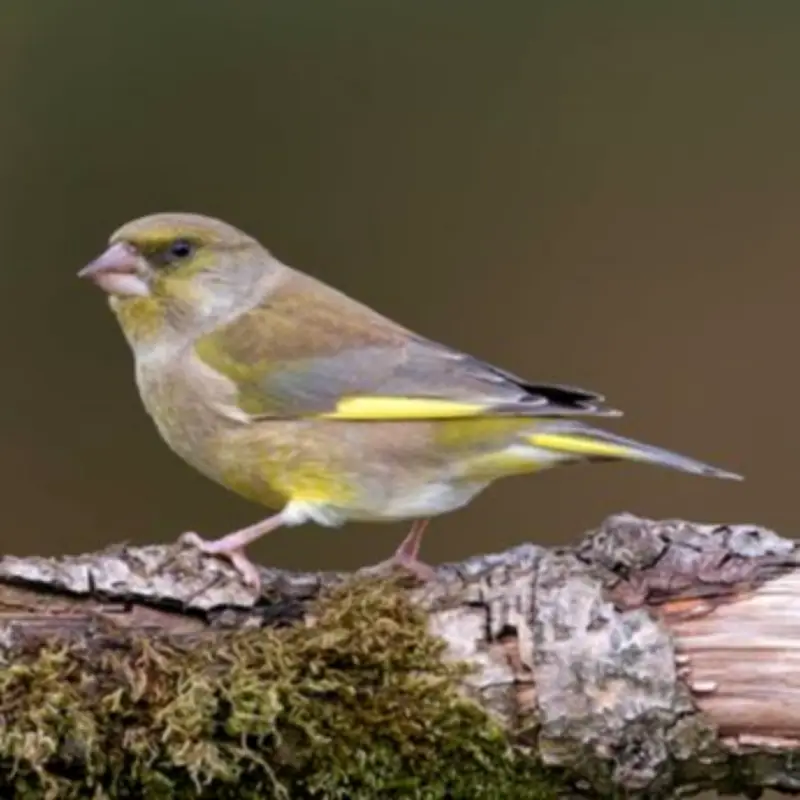
Species including greenfinches and chaffinches have been especially severely impacted in recent years, experiencing significant population declines.
The risk of disease transmission among garden birds increases during summer and autumn, when birds frequently congregate at feeding stations. The RSPB suggests a few straightforward adjustments to how and when you feed birds can help minimise the risk of infection.
How to Help Save the Birds
To help limit the spread of infection, bird enthusiasts are advised to refrain from filling feeders with seeds and peanuts between May 1 and October 31.
Small quantities of mealworms, fatballs, or suet can still be provided, as these foods are less likely to attract large numbers of birds to the same location.
Gardeners should also clean bird feeders and bird baths at least once weekly using hot soapy water and a bird-safe disinfectant. To help prevent the disease from spreading, it is essential to regularly relocate feeders to a different spot around the garden to avoid large numbers of birds congregating in one area.
Experts advise against using bird tables or other flat-surfaced feeders, as contaminated food can accumulate and increase the risk of infection. Only provide enough food to be consumed within a day or two, and ensure it remains as dry as possible.
It's worth noting that the trichomonosis parasite can also persist in water. To reduce the risk, the experts suggest that gardeners should provide tap water for birds only if they can refresh it daily. They pointed out that water isn't necessary if a pond is nearby, as that's the optimal source for birds.
A spokesperson on the RSPB site added: "We have carefully balanced the benefits of feeding against the risks of disease, and we believe that we can continue to feed our garden birds, as long as we feed the right types of food at the right time of year. By following our guidance to feed seasonally and feed safely, we can all help protect the future of our birds."
Chief Executive Officer (CEO) of the RSPB, Beccy Speight said: "We're not asking people to stop feeding, just to feed in a way that protects birds' long-term health."
Meanwhile, starlings have now been classified as a red-listed species following a significant decline in numbers. The UK's breeding population has fallen by 82% between 1970 and 2022.
While experts cannot say with any certainty why bird numbers have declined so dramatically, one contributing factor may be the reduction in grassland and insect populations caused by modern agricultural practices, according to the BBC.
The rapid expansion of new housing and development has also eaten into the number of safe nesting sites available to birds.




