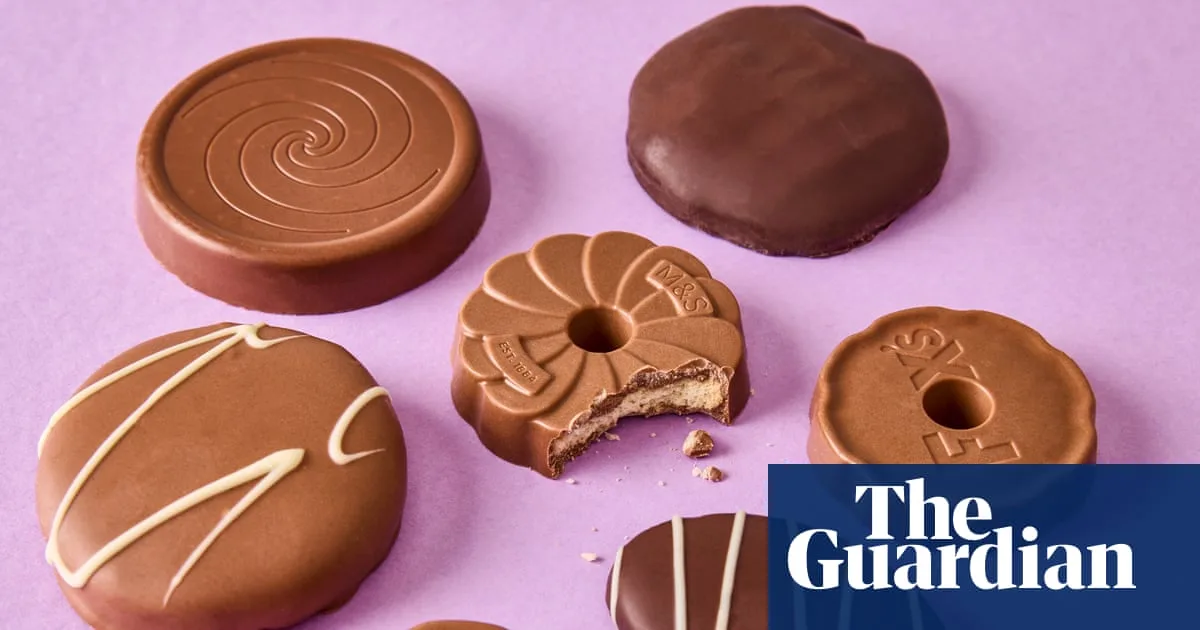
Chocolate prices in the UK have surged by 15.4% in the year to August, according to official data, as poor cocoa harvests in West Africa drive up costs. Overall inflation remained steady at 3.8%, but food price inflation rebounded above 5% for the first time in 18 months, driven by chocolate, beef, butter, and coffee.
The price of cocoa on international markets has more than doubled over two years, from below $3,500 per tonne to nearly $7,800, peaking above $12,000 in late 2024. This has squeezed producers large and small. Cocoba, a Kent-based gift chocolate maker, temporarily delisted its £30 jars of giant buttons because they became unsellable even at £40. Its founder, Darren Litton, said the company now plans to reintroduce them for Christmas at £40, but margins remain tight.
Big brands have also been hit. Mondelēz, owner of Cadbury, expects annual profits to fall 10% due to higher cocoa costs. Shrinkflation has become widespread: tubs of Quality Street and Celebrations, as well as some Toblerone bars, have shrunk ahead of Christmas. Consumers have noticed KitKat nine-packs reduced to eight, and multipacks of Freddos now contain four chocolates instead of five.

Britons spent £5.9bn on chocolate in stores in the year to 9 August, up 10% in value, but the volume bought fell 2%, according to data firm Circana. Analyst Alex Lawrence noted that the average price per kilogram for chocolate confectionery has risen 27% over two years. Shop price data shows a 110g bar of Cadbury Dairy Milk now costs £1.84 on average, up 42p since 2023, while a similar Galaxy bar costs £1.79, also up 42p.
On the high street, upmarket hot chocolate chain Knoops charges from £4 for a drink made with 28% single-origin Colombian chocolate. Founder Jens Knoop said cocoa price volatility has been a 'wild ride', and while the company has absorbed some costs, it has passed on a small percentage to customers. Despite the squeeze, chocolate remains a staple treat for many Britons.