Romania Shatters the Link Between Economic Growth and High Emissions
Romania Decouples Economic Growth from High Emissions

Romania's Unprecedented Decoupling of Emissions and Economic Growth

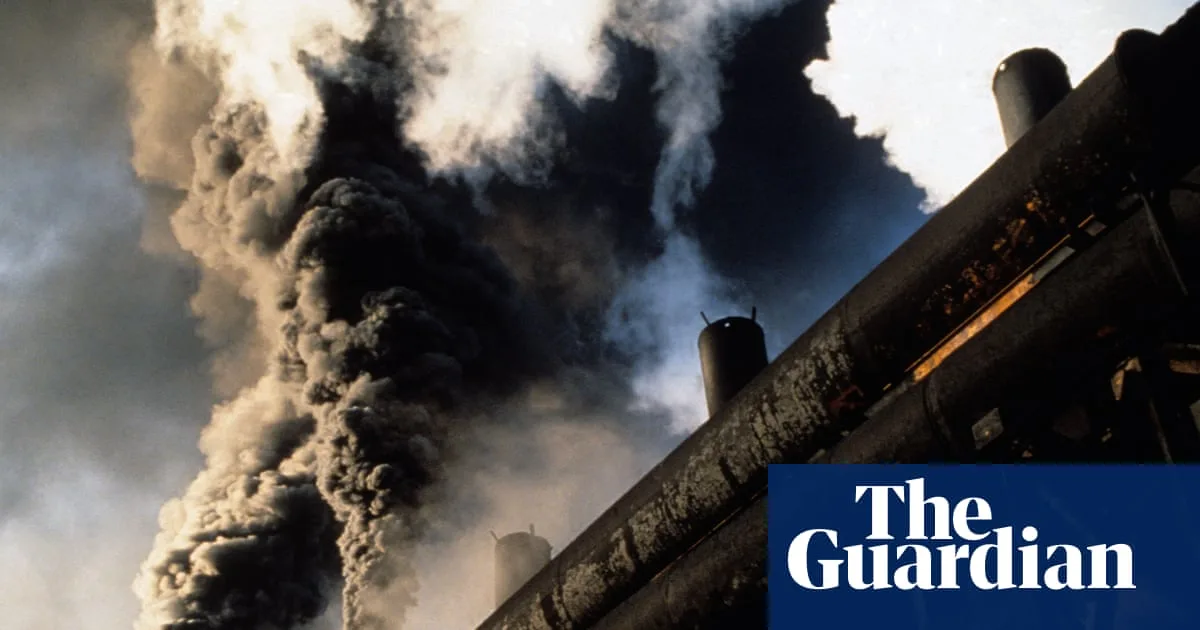
In 1990, pollution poured from factories in places like Copsa Mica, Romania, symbolising the industrial legacy of communism. Today, the country stands as a remarkable case study in environmental transformation, having slashed its net greenhouse gas emissions by 75% since that era. This achievement has shattered the historical link between economic growth and high emissions, with Romania's emissions intensity falling by 88% between 1990 and 2023, meaning each dollar of economic activity now heats the planet almost ten times less than before.

The Journey from Polluted Past to Renewable Future

Under the dictatorship of Nicolae Ceaușescu, Romania's economy became heavily industrialised and polluted, reliant on low-grade lignite and heavy oil. After Ceaușescu's fall and industry privatisation, factories closed and emissions initially dropped due to economic collapse rather than policy. However, Romania's entry into the European Union in 2007 catalysed a more deliberate shift, imposing higher environmental standards and funding clean energy projects through mechanisms like the emissions trading system and green certificate schemes.

Key projects have redefined Romania's energy landscape, including the largest solar farm in Europe under construction in southern Romania, a major onshore windfarm near the Black Sea, and the extension of a nuclear power plant in Cernavodă. Liviu Gavrila, vice-president of the Romanian Wind Energy Association, asserts, "The trend is irreversible," highlighting the momentum behind renewable energy adoption.

Social and Economic Impacts of the Transition

While Romania's economic boom has doubled real GDP since 1990, the benefits have not been evenly distributed. The closure of factories and mines led to job losses and depopulation in former coal towns, with young people often seeking work abroad. Ioana-Maria Petrescu, a former finance minister, notes, "It's good that we reduced greenhouse emissions... but the transition was brutal for a lot of people." This underscores the challenge of ensuring a just transition for fossil fuel-dependent communities.

Romania's shift to a service-based economy also impacted agriculture and forestry, with reduced livestock numbers and expanded forests absorbing 77% more carbon. Yet, the rapid decoupling has relied partly on low-hanging fruit, such as phasing out coal, which may be harder to replicate in sectors like buildings and transport.

Challenges and Future Prospects

Despite its progress, Romania faces significant hurdles. Recent developments include a dash for gas, with projects like Neptun Deep in the Black Sea and the conversion of the Mintia coal plant to gas, raising concerns among environmental campaigners. Raluca Petcu of Bankwatch Romania warns, "It's more expensive to transition twice," pointing to potential economic inefficiencies.

Public appetite for climate action remains low, with Romanians less likely to view climate breakdown as serious compared to the EU average. Additionally, preliminary data suggests a slight increase in emissions in 2024, even as the economy stagnates, questioning whether the breakneck transformation can sustain its pace.

Global Implications and Lessons Learned

Romania's journey offers a blueprint for other countries, particularly in eastern Europe and middle-income nations in Asia and South America, demonstrating that manufacturing economies can cut emissions while raising living standards. However, Mihnea Catuti of the Energy Policy Group cautions, "What's happened in Romania should never turn into something preachy," emphasising that growth often requires increased energy consumption initially.

With emissions now at just 3 tonnes per person, lower than most Europeans except Swedes, Romania has set records in environmental protection. Yet, the path forward requires balancing economic ambitions with sustainable practices, ensuring that the transition does not leave communities behind. As the world grapples with climate breakdown, Romania's story highlights both the potential and pitfalls of decoupling emissions from growth.




