
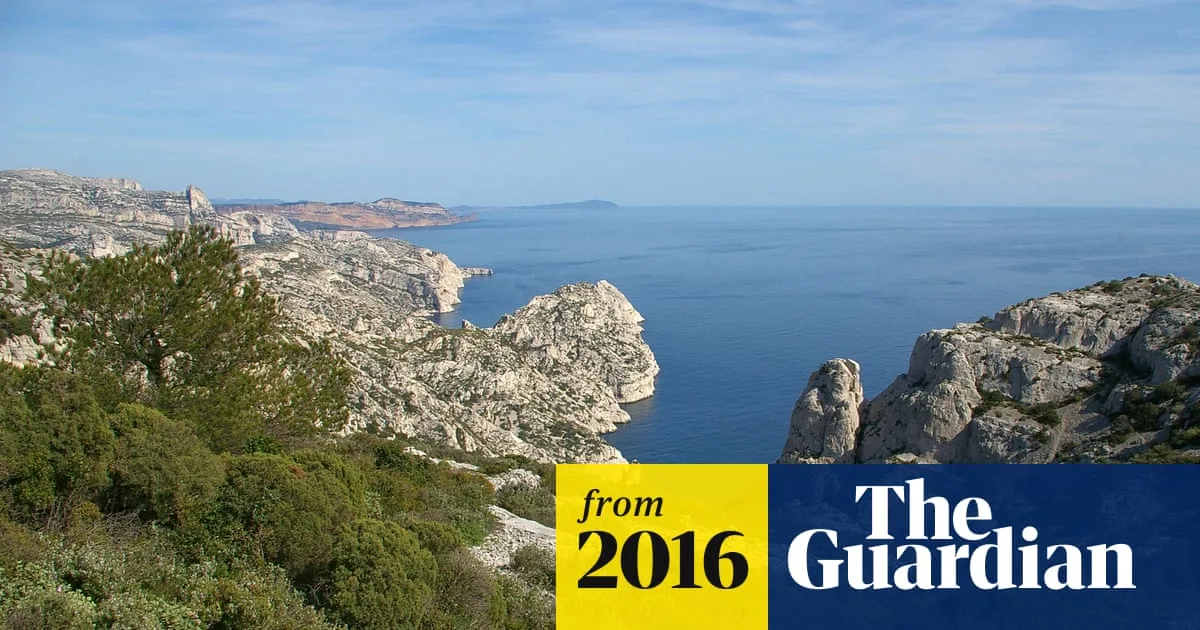
Southern Spain could become desert by the end of the century if greenhouse gas emissions continue at current rates, according to a new study published in the journal Science. Researchers warn that Mediterranean ecosystems may shift to a state unseen in the past 10,000 years unless global temperature rises are limited to 1.5°C.
The study modelled vegetation changes in the Mediterranean basin under four emissions scenarios. Under the worst-case 'business as usual' path, global temperatures could rise by nearly 5°C by 2100, causing deserts to expand northwards across southern Spain and Sicily, and replacing deciduous forests with Mediterranean vegetation. Even if emissions are held to the level of pledges made before the Paris Agreement, southern Europe would see a 'substantial' expansion of deserts.
Lead author Joel Guiot of Aix-Marseille University said the Mediterranean is highly sensitive to climate change, possibly more than any other region. He noted that the region already faces challenges from sea-level rise and migration, and additional climate impacts would worsen the situation. The study did not simulate effects on crops like olives, but other research indicates harm to production.
The researchers used 10,000 years of pollen records to reconstruct past vegetation and temperatures, then ran the model under four warming scenarios. Only the most stringent emissions cuts, equivalent to meeting the Paris target of 1.5°C, would keep ecosystems within Holocene limits. Guiot stressed the need for rapid emissions reductions, starting now and reaching zero by 2050.
The real impact could be worse, as the study did not account for other human activities such as deforestation and agriculture, which can exacerbate drought conditions. Guiot warned that direct human impacts would amplify the effects of climate change on Mediterranean ecosystems, which are already considered a biodiversity hotspot.




