
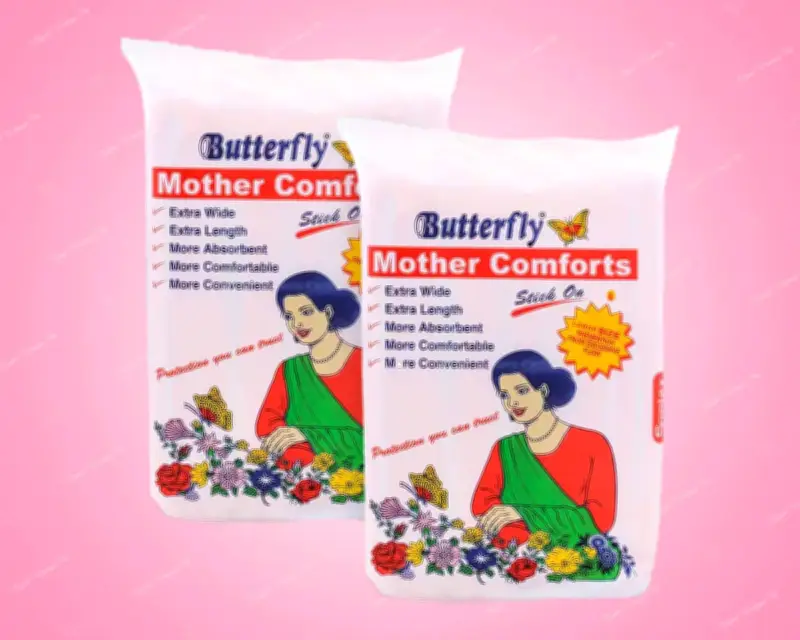
Pakistan plans to abolish the so-called 'period tax' on sanitary products, marking a significant victory for young campaigners who had taken the government to court over the charges. Finance Minister Muhammad Aurangzeb announced that sanitary towels and related items are 'daily necessities that are indispensable for women's health, dignity and full participation in social activities,' and stated his intention to remove the sales tax.
Background of the Campaign
Two lawyers, 25-year-old Mahnoor Omer and 29-year-old Ahsan Jehangir Khan, brought a court case last year aiming to have sanitary products zero-rated, meaning they would not be subject to any taxes. They argued that the charges amounted to a 'pink tax' on women. Their campaign gained massive traction on social media, and a supportive petition attracted thousands of signatures.
Current Tax Structure
Locally manufactured period products in Pakistan currently incur an 18% sales tax, while imported products face an additional 25% customs tax. This high cost means that commercial period products are used only by a minority of women in Pakistan, according to research from Unicef. Most women rely on cloth or homemade alternatives, which can be unsafe and increase the risk of infection.
Reactions to the Announcement
UN Women welcomed the decision, stating that abolishing the sales tax is a step that would help women stay in work and girls remain in school. The organization emphasized that 'menstrual health is a matter of health, dignity and equality – not a luxury.'
Campaigner Mahnoor Omer welcomed the announcement but stressed that the fight is 'definitely not over.' She and her colleague will continue to push for the removal of all additional charges on period products.
Bushra Mahnoor, executive director of Mahwari Justice, a Pakistani period rights organization, described the decision as 'just one step towards combating period poverty.' She told CNN that the most valuable effect may be destigmatizing menstruation, but safe sanitary products remain unaffordable for the most vulnerable women. 'Menstrual justice also means access to clean water, sanitation facilities, accurate menstrual education and a society free from period stigma,' she said. 'This moment is significant, but our work is far from over.'
Additional Measures
The government will also cease imposing an 18% sales tax on contraceptives. Aurangzeb explained that abolishing the tax on contraceptives is necessary given 'alarming' population growth. 'Pakistan is the fifth-largest country in the world in terms of population … Family planning is a top priority of the government,' he added.




