
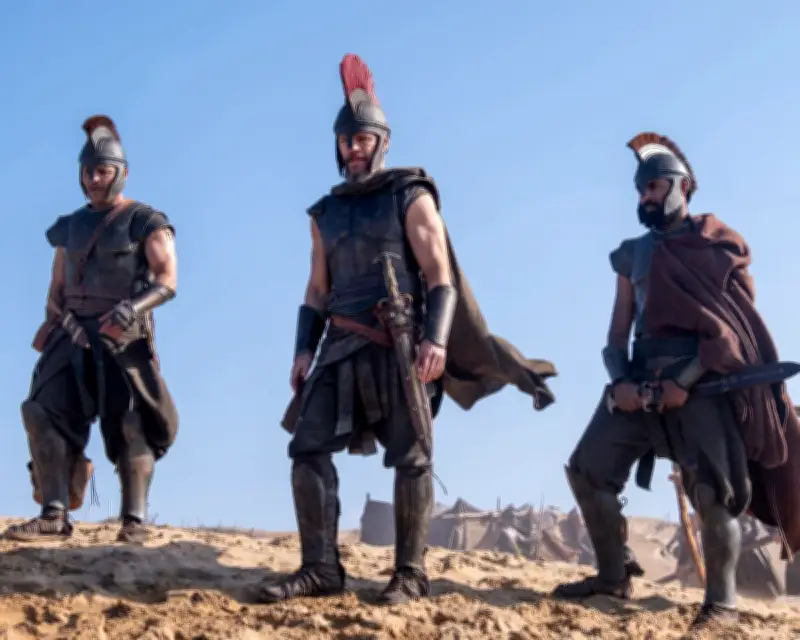
Christopher Nolan's upcoming blockbuster The Odyssey, an adaptation of Homer's epic poem, has sparked controversy for filming in Moroccan-occupied Western Sahara. Sahrawi artist Mohamed Sleiman Labat, in a commentary, decries the decision as a betrayal, highlighting the irony that a story about displacement and return is shot on land where Indigenous Sahrawis have lived under occupation for over 50 years.
Double Standards in Filmmaking
Labat points out that while Sahrawi filmmakers risk imprisonment for documenting life under Moroccan rule, international crews like Nolan's are welcomed by the same authorities. He notes that a camera in Sahrawi hands is a threat to Morocco's narrative, but foreign productions are granted access to exoticize the land. This double standard, he argues, perpetuates erasure of Sahrawi stories.
Historical Context of Occupation
Western Sahara was invaded by Morocco and Mauritania in 1975 after Spanish colonial withdrawal. Today, half of the Sahrawi population lives in refugee camps in Algeria, while the other half endures a military police state separated by a 2,700km wall fortified with landmines. Labat emphasizes that themes of suffering, separation, and betrayal in The Odyssey are daily realities for Sahrawis.
Extractivist Practices in Cinema
Labat accuses the Western film industry of extractivism, mining stories and culture from the Global South without consent. He states, 'International film crews parachute in, shoot our faces, clothing, dunes and material culture, then fly off.' For Nolan's shoot in Dakhla, he claims no consent was sought from Sahrawis, and the production effectively legitimizes Morocco's occupation.
International Law and Ethics
Under international law, using resources—material or immaterial—in a non-self-governing territory like Western Sahara without Indigenous consent is illegal. Labat argues that Morocco weaponizes cinema to whitewash occupation, courting foreign crews while suppressing Sahrawi expression. He calls for audiences to consider the ethics behind the film, stating, 'Audiences coming to see The Odyssey have a right to know about the ethics behind the making of this film.'
Sahrawi Demands for Self-Representation
Labat concludes, 'We the Sahrawi do not want our homeland to be the sanitised backdrop for western epics. We want to tell our own stories, shoot our own films and decide for ourselves.' He asserts that cultural self-representation is central to the right to self-determination, and every frame shot by outsiders without Sahrawi consent betrays the art of storytelling.




