
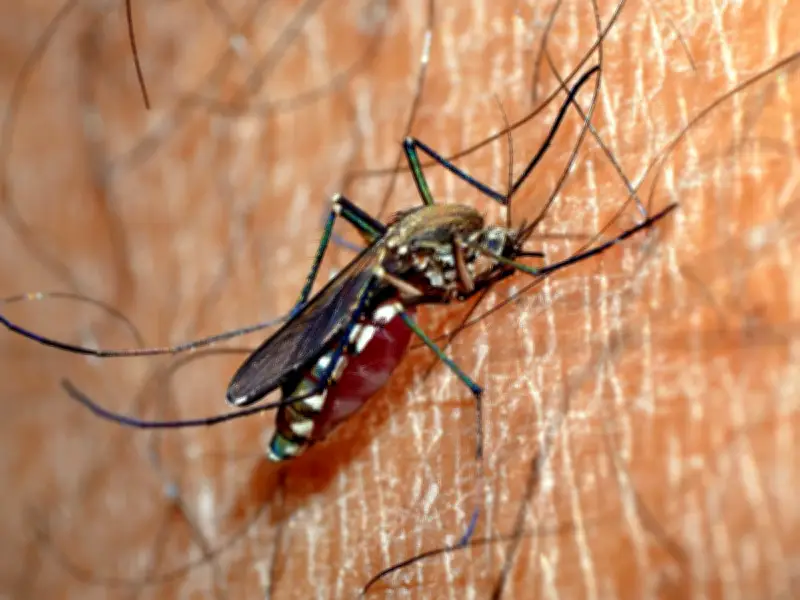
Mosquito-Borne Diseases on the Rise in Europe
Brits jetting off this summer could face deadly mosquito-borne diseases that have swept through European holiday hotspots. Mosquito season is now in full swing across the continent as soaring temperatures create the perfect breeding ground for nasty viruses like dengue fever and chikungunya. The viruses have been known to trigger paralysis, vision loss, joint pain, and, in worst cases, death.
The insects transmit the viruses by biting animals carrying the disease before biting a human, thereby passing it on. There have been some 1,000 suspected cases of the diseases in top British holiday destinations, which include Spain, France, Italy, Portugal, and Greece.
West Nile Virus Outbreak in Italy
Some 38 people have died from West Nile infections in Italy, reports MailOnline. Data from the European Centre for Disease Prevention and Control showed the West Nile virus is making a return this summer with cases in Italy being found in Florence and Verona. Romania and North Macedonia have also reported three infections across the two countries.
The West Nile virus was first identified in the West Nile district of Uganda in 1937 and has since spread to Europe. Most people who are infected with the virus either show no symptoms or have a mild illness. But one in 150 people develop severe complications that can include fatal meningitis and encephalitis that can inflame the brain and tissues surrounding the spinal cord.
Dengue Fever Cases in France, Italy, and Portugal
The less common Dengue fever had 19 suspected cases in France, as well as four in Italy and two in Portugal. Most people have flu-like symptoms that include high temperatures, headaches, swollen glands, rashes, and joint pain. It can also develop into a more severe case that results in blood in vomit or stool. The World Health Organisation said there are between 100 million and 400 million dengue infections around the world each year.
Climate Change Fuelling the Spread
Experts previously raised the alarm over mosquitos carrying disease that is becoming an increased concern due to rising temperatures caused by climate change. Professor Rachel Lowe, who works at the global health resilience group at the Barcelona Supercomputing Center in Spain, said: "Global warming due to climate change means that the disease vectors that carry and spread malaria and dengue [fever] can find a home in more regions, with outbreaks occurring in areas where people are likely to be immunologically naive and public health systems unprepared. The stark reality is that longer hot seasons will enlarge the seasonal window for the spread of mosquito-borne diseases and favour increasingly frequent outbreaks that are increasingly complex to deal with."




