
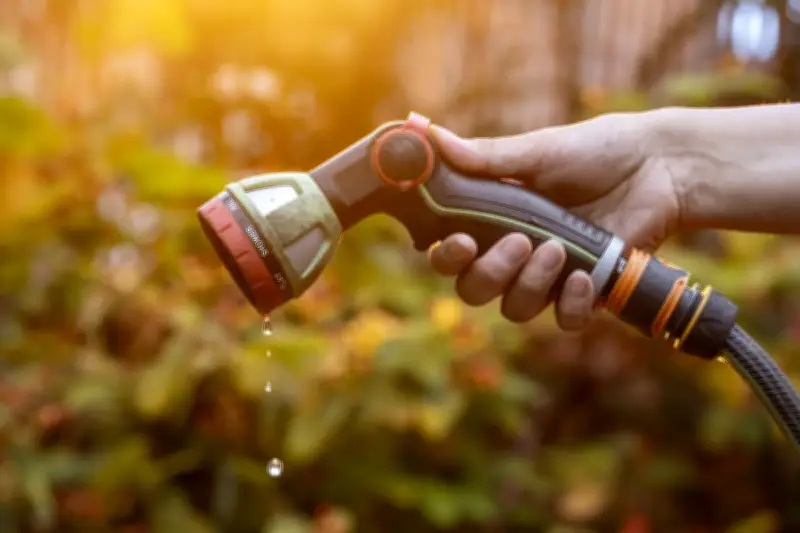
Millions more people in the UK face hosepipe bans as officials warn drought conditions are increasingly likely while the nation endures a prolonged heatwave. On Friday, Anglian Water announced a ban for its more than five million customers in the East of England, effective from 1am on Saturday. Customers are prohibited from using hosepipes for watering gardens, washing cars, or filling swimming and paddling pools. The utility urged people to “live within the spirit of these restrictions immediately.”
Record-breaking temperatures
Thursday saw the UK record its eighth day at or above 34°C in a calendar year, surpassing the previous high of seven days set in 1976 and 2020. This milestone comes as the country experiences its third heatwave of the summer. Officials have warned that drought conditions are becoming increasingly likely, particularly in East Anglia, Devon, and Cornwall, as water companies struggle to manage tight resources.
Water companies under pressure
Anglian Water’s Dr Geoff Darch, head of strategic asset planning, said: “This year has been exceptionally hot and dry, and we’re already into the third heatwave of the summer. Every day of sustained hot weather increases the challenge of balancing supply and demand, and we are now at the point where we need to ask customers to help by hanging up the hosepipe, letting lawns go brown, cars go dirty and using water even more wisely to help protect the environment and ensure water remains available for all customers.”
Cambridge Water also announced a temporary hosepipe ban for its 350,000 customers—the first such restriction in 30 years. The company noted that local water resources “are now under significant pressure” with demand at record levels following low rainfall. Teams are working around the clock to maintain supplies.
South East Water introduced a ban on July 3 for areas in Kent, including Ashford, Canterbury, Faversham, Maidstone, Sevenoaks, Snodland, Tenterden, and Tunbridge Wells. Southern Water will enforce restrictions for about one million customers across Hampshire and the Isle of Wight starting Friday.
Climate change link
Scientists emphasize that these record-breaking weather events are becoming more intense and frequent due to climate change, largely driven by fossil fuel burning. The ongoing heatwave and drought conditions highlight the urgent need for water conservation and long-term resource management.




