
LGBTQ+ characters are disappearing from film at an accelerating rate, with a new report from the advocacy group Glaad revealing that only 46 of 225 films released in 2025 contained LGBTQ+ characters. That figure represents just 20.4% of movies, marking the third consecutive year of decline after a record high of 28.5% in Glaad's 2023 study.
Decline in Queer People of Color and Zero Trans Characters
The annual Where We Are in Film study highlights that the downturn disproportionately affects LGBTQ+ characters of color. Additionally, the report found no transgender characters across the more than 200 films analyzed, a stark contrast to previous years. Glaad's president and CEO, Sarah Kate Ellis, warned: "If the industry doesn't prioritize investing in films with LGBTQ characters, it risks losing a generation that will go elsewhere to find entertainment that does include our community."
Bright Spots: Mid-Budget and Horror Films
Mid-budget films were singled out as a bright spot for LGBTQ+ representation. The report praised titles such as Downton Abbey: The Grand Finale, After the Hunt, and I Know What You Did Last Summer. Horror films proved particularly inclusive, with The Parenting, Companion, and Weapons all featuring queer characters. Notably, each of these horror releases earned more than double their production budget at the box office, underscoring the commercial viability of inclusive storytelling.
Critically Acclaimed Queer-Centered Films
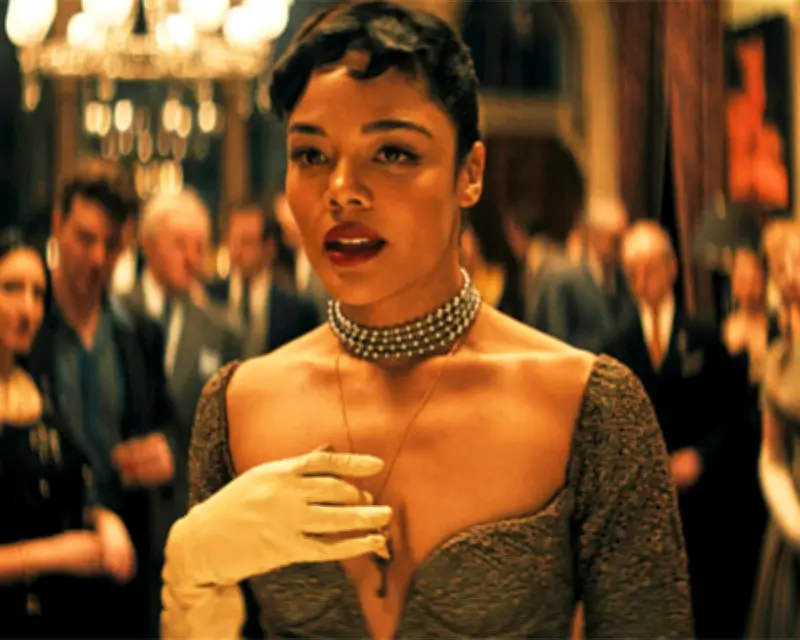
While most LGBTQ+ characters appeared in supporting roles, Glaad highlighted several films that placed queer stories at the forefront. Nia DaCosta's Hedda, starring Tessa Thompson, the Ethan Hawke-led Blue Moon, and Eva Victor's Sorry, Baby were all praised for prominently featuring queer characters and receiving warm critical reception. "When our stories are centered, those films are seeing success," the report states.
Trans Representation: A 'Misrepresentation and Exclusion' Crisis
The absence of trans characters drew sharp criticism. The study called the lack of trans inclusion "unconscionable," especially given the political climate: "The misrepresentation and exclusion of transgender characters and stories in entertainment, while politicians and anti-LGBTQ activists are fixated on targeting trans people through misinformation, anti-trans legislation and violence, is unconscionable."
Smaller Distributors Lead the Way
Although Glaad's report focuses on the 10 largest distributors—including Sony Pictures Entertainment, the Walt Disney Company, Netflix, and A24—it also acknowledged smaller companies for releasing "incredible LGBTQ-inclusive films that are breaking boundaries and deserve recognition." Among those highlighted were Mubi (The History of Sound, Mother Father Sister Brother), Bleecker Street (The Wedding Banquet), Magnolia Pictures (Plainclothes), and Blue Harbor Entertainment (A Nice Indian Boy).
Gen Z Moviegoers: A Growing LGBTQ Audience
Megan Townsend, Glaad's senior director of entertainment research and analysis, emphasized that ignoring queer and trans audiences is bad business. "Gen Z represents the largest share of moviegoers in North America," Townsend said. "Gen Z also has the highest percentage of people who say they are part of the LGBTQ community, with Gallup reporting that more than one in five (23%) of Americans under the age of 30 are LGBTQ. If studios want to stay relevant with younger audiences and bring in box office dollars, they can't afford to ignore nearly one-quarter of their most enthusiastic ticket buyers."




