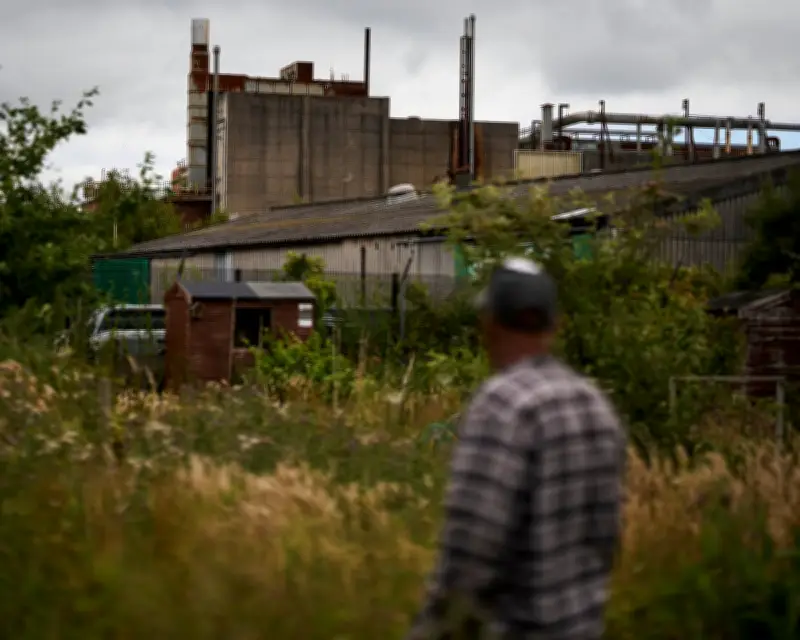
Residents living within a kilometre of the AGC Chemicals Europe factory in Thornton-Cleveleys, Lancashire, are at the centre of a growing national scandal over contamination from perfluorooctanoic acid (Pfoa), a carcinogenic “forever chemical” linked to kidney cancer. In 2024, the UK Environment Agency and local authority launched an investigation into historic emissions from the plant, which between the 1950s and 2012 released 49 tonnes of Pfoa.
Factory Closure and Clean-Up Concerns
After reporting by The Guardian on the looming threat of legal action, AGC Chemicals Europe announced plans to close the plant, citing “significant financial and operational challenges.” The company stated it takes its “responsibilities to protect employees, the local community and the environment very seriously” and remains committed to regulatory obligations, including environmental monitoring. However, residents are now worried about who will pay for the clean-up and what the long-term health impacts will be.
Environmental testing has led to advice for residents to wash and peel homegrown food and avoid eating locally produced eggs. Two allotment sites near the factory have been closed. Alan Hodson, a local allotment holder, has had to throw away produce he spent years growing.
Health Fears and Legal Action
Liz Hurst, a Thornton-Cleveleys resident diagnosed with kidney cancer 15 years ago, told The Guardian: “Everything I had wanted was finally coming to fruition. A house, a change of job and getting married. But then, all of a sudden, everything was put on hold.” She now wants to know if her cancer is linked to the factory.
Despite higher rates of kidney cancer near the factory, a government study found no evidence of a cancer cluster or environmental association. World-leading experts described the findings as a “major cause of concern” and called for further investigation, including blood testing.
Global Context and Legal Precedent
Pfoa was banned globally in 2020. The chemical gained public attention through the 2019 film Dark Waters, which documented contamination from DuPont’s West Virginia factory, leading to a multimillion-dollar legal settlement. In the US, Pfas litigation has resulted in settlements worth billions. In Europe, pressure is growing: last week, ClientEarth lodged a complaint with the European Committee of Social Rights alleging Belgium failed to protect people from Pfas pollution.
In the UK, law firm Leigh Day is investigating a claim on behalf of Sam Hammond, a resident whose pet duck eggs are heavily contaminated with Pfoa. More than 90 residents have indicated interest in potential legal action, with 50 accessing blood tests over the summer.
Widespread Contamination
More than 17,000 contaminated sites have been identified across the UK and Europe, from densely populated towns to remote regions. The Guardian’s documentary In Our Blood: The Forever Chemicals Scandal revealed “alarming” levels of Pfas in residents of Bentham, North Yorkshire, which recorded the highest Pfas pollution in the UK. The questions now being asked in Thornton-Cleveleys are unlikely to remain theirs alone for long.