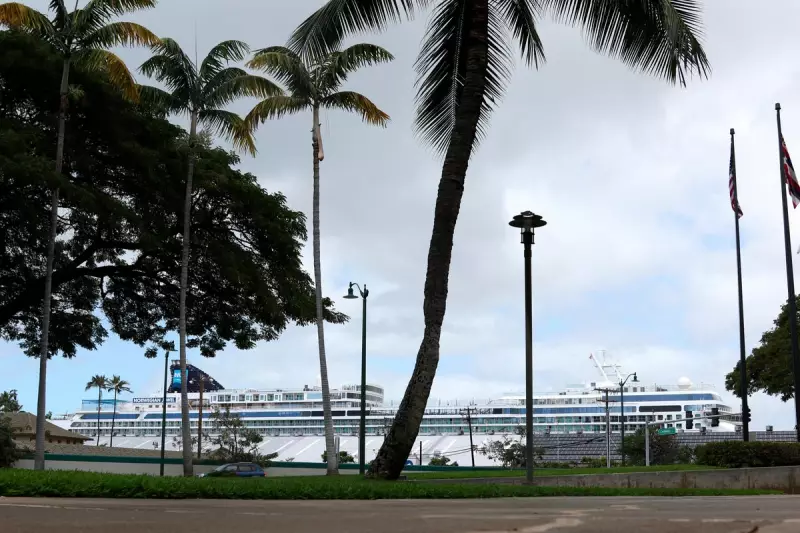
A federal judge in the United States has ruled that Hawaii can proceed with a pioneering new tourist tax, which for the first time includes a specific levy on cruise ship passengers, with the funds dedicated to combating climate change.
Judge Denies Industry Challenge to Landmark Levy
U.S. District Judge Jill A. Otake rejected a legal challenge on Tuesday, 24 December 2024, allowing the state to enforce the law from the start of 2026. The lawsuit was brought by the Cruise Lines International Association, alongside several local Hawaiian businesses that supply or rely on cruise tourism.
The plaintiffs argued the new law was unconstitutional, claiming it unfairly taxed ships for the privilege of entering Hawaiian ports. They also contended that the additional cost would deter visitors and harm the local economy, which sees nearly $1 billion in economic impact from cruise tourism.

Details of Hawaii's Climate-Focused Tourist Tax
Governor Josh Green signed the legislation in May 2024, creating what is described as the nation's first tourist levy explicitly designed to generate revenue for climate adaptation. The state estimates it will raise close to $100 million every year.
The comprehensive tax increases existing rates on hotel rooms and vacation rentals. Crucially, it also imposes a new 11% tax on the gross fares paid by cruise passengers, prorated based on the number of days a ship is in Hawaiian waters. Counties are authorised to add a further 3% surcharge, potentially bringing the total levy to 14%.
State Attorney General Anne Lopez stated Hawaii would continue to defend the law, which ensures cruise operators contribute to the 'transient accommodation tax' addressing climate threats like shoreline erosion and wildfires.
Reactions and Next Steps Following the Ruling
Jim McCarthy, a spokesperson for the cruise industry association, emphasised the sector's economic contribution, saying the focus remained on ensuring its success continued on a 'lawful, sustainable foundation'.
Court records indicate the plaintiffs plan to appeal the decision. In a notable intervention, the U.S. federal government had sided against the state, characterising the tax in court filings as a 'scheme to extort American citizens and businesses solely to benefit Hawaii' and in conflict with federal law.
Despite this opposition, Judge Otake's ruling stands, paving the way for the climate change tax to take effect on 1 January 2026, setting a significant precedent for tourism-dependent regions funding environmental resilience.