High 40°C Heatwaves Now 'New Normal' for India and Pakistan, Scientists Warn
High 40°C Heatwaves 'New Normal' for India and Pakistan

Heatwaves reaching the high 40 degrees Celsius across India and Pakistan are no longer extreme weather events but a regular feature of the pre-monsoon season, scientists have warned. The finding comes from a rapid attribution study by World Weather Attribution, an international scientific collaboration that analyses the role of the human-caused climate crisis in extreme weather events.

Study Findings on Extreme Heat

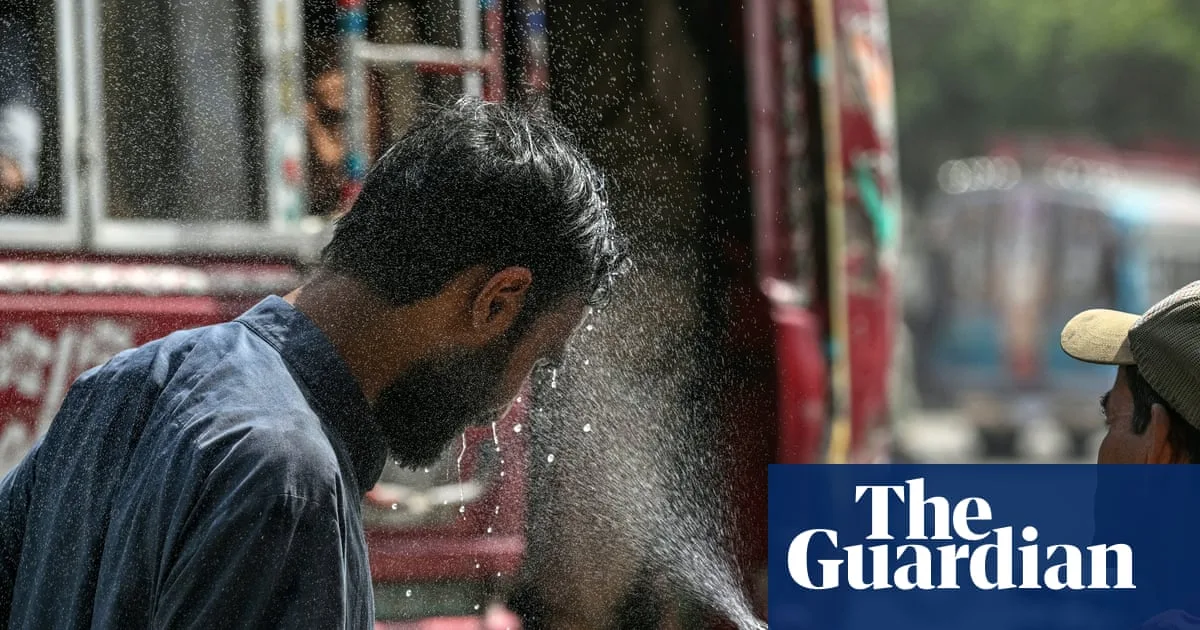
The study, published on Thursday, examined a prolonged period of extreme heat that struck India and Pakistan between mid-April and early May, when daily maximum temperatures exceeded 46°C in several cities, causing at least 37 heat-related deaths in India and 10 in Karachi, Pakistan. The study found the climate crisis has tripled the likelihood of such heat occurring, and the window of dangerous temperatures is growing longer every year.

The heat also drove record electricity demand across the region as cooling needs surged, and agricultural drought conditions affected more than one million square kilometres, threatening food security and livelihoods for millions who depend on farming.

Wide Pickt banner — collaborative shopping lists app for Telegram, phone mockup with grocery list

Frequency and Intensity of Heatwaves

Scientists found that heat on this scale now occurs roughly once every five years in today's climate, meaning there is a 20 per cent chance in any given April of experiencing temperatures comparable to those seen this spring. In a pre-industrial climate, the same event would have been only a third as likely to occur, and would have been around one degree cooler. In just the past ten years alone, as the world has warmed by a further 0.4°C, similar events have become around 35 per cent more likely and 0.3 degrees hotter.

"What used to be rare heat in South Asia is now a regular reality," said Dr Mariam Zachariah, research associate in extreme weather and climate change at Imperial College London and one of the study's lead authors. "Temperatures are being pushed to dangerous levels, making life-threatening conditions more common for hundreds of millions in India and Pakistan. Perhaps most concerning is that our research shows that the hot pre-monsoon period is becoming both hotter and longer, meaning people are now facing extreme heat for a much greater portion of the year."

Future Projections and Vulnerabilities

Researchers say if global temperatures rise by a further 1.3°C from today's levels, events like this spring's heatwave will become more than twice as likely again and around 1.2 degrees hotter, meaning what is already considered extreme by today's standards will become a cool pre-monsoon season by future ones.

The study also highlights that the greatest acceleration is happening in April, earlier in the season than expected, rather than in May. This is significant because early-season heat is the most dangerous as populations have not yet acclimatised, and the compounding effect of humidity in the Indus and Ganges river valleys intensifies heat stress beyond what dry temperature readings alone suggest. Conventional brick and concrete buildings in parts of Pakistan's Punjab have been recorded reaching over 45°C indoors during the hottest months, according to research cited in the study.

Disproportionate Impact on Vulnerable Groups

The burden falls hardest on those with the least protection. The study identifies outdoor workers, daily wage earners, people living in informal housing without cooling, older adults and women as the most exposed, with deep disparities in vulnerability linked to income, infrastructure access and gender. The heatwave this year coincided with state assembly elections across several Indian states, with large numbers of election officials, voters and census enumerators working outdoors in peak heat. In Pakistan, deaths were recorded near mosque areas, highlighting vulnerabilities in crowded public spaces with limited ventilation.

Pickt after-article banner — collaborative shopping lists app with family illustration

"While India and Pakistan have invested in Heat Action Plans, this event shows that extreme heat continues to disproportionately impact outdoor workers, people living in informal housing, and daily wage earners who are most exposed and vulnerable," said Roop Singh, head of urban and attribution at the Red Cross Red Crescent Climate Centre. Mr Singh said expanding social protection and formally classifying heatwaves as a notified disaster, which neither India nor Pakistan currently does, could unlock disaster relief funding and enable a more comprehensive response.

Calls for Emissions Reductions

"Again and again our research shows that dangerous heat that would have once been rare and exceptional is fast becoming regular weather," said Dr Ben Clarke, also a research associate at Imperial College London. "We are simply not prepared for the level of warming we already have, and these deadly events will only continue to grow in both frequency and intensity unless we slash emissions now."

Role of Aerosols and Humidity

The study notes that temperature increases in South Asia are somewhat lower than in other parts of the world, partly because high levels of atmospheric aerosols and widespread irrigation provide a partial cooling effect. However, the same factors that dampen dry temperature rises also increase surface humidity, which amplifies the actual heat stress experienced by the body, particularly for people engaged in outdoor physical labour whose ability to cool through sweating is compromised at high humidity levels. When heat index measures that incorporate humidity are used, the climate change signal is even stronger.




