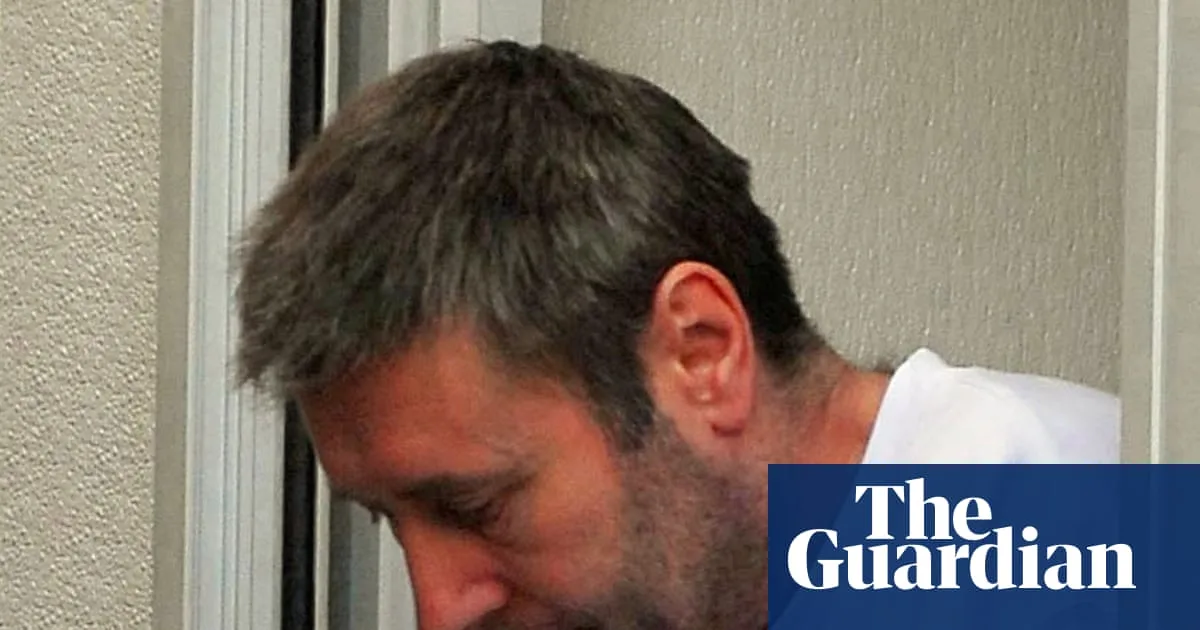
Tim Grattan-Kane, the retired police officer who led the investigation into serial rapist John Worboys, has warned that the criminal justice system is 'close to exploding with a frightening bang'. He said similar crimes could still be happening today due to an overstretched system, with drink spiking becoming far more common.
Grattan-Kane, who was the senior investigating officer in the case that led to Worboys' arrest in 2008, said young police officers were frustrated by delays from the underfunded Crown Prosecution Service. He also cited a lack of support workers due to financial cuts and the closure of more than half of courts in England and Wales between 2010 and 2019, according to the Law Society.
Speaking ahead of the ITV drama 'Believe Me', which focuses on the women whose testimony convicted Worboys, Grattan-Kane highlighted the Gisèle Pelicot case in France and that of Vikas Nath, a Knightsbridge restaurateur facing trial for rape and sexual assault allegations involving a drugged woman, which he denies. Grattan-Kane said there remained a 'real problem' with men administering drugs to facilitate sexual assault.

Grattan-Kane credited his team with solving the case after previous Metropolitan police errors. They identified links between Worboys' crimes, re-examined blood tests and CCTV, and consulted a trainee black-cab driver to predict routes. He said officers asked victims to come forward, promising they would be trusted and believed, which led to a surge in calls.
The Worboys case helped change police handling of rapes, Grattan-Kane said, with a process starting from believing women. However, he stressed the need for 'continued, constant monitoring' and for police to 'think the unthinkable' about people in positions of trust, citing the murder of Sarah Everard by off-duty officer Wayne Couzens as an example.
Grattan-Kane acknowledged past police mistakes in the Worboys case but said the response was now 'far more centred' on survivors. He criticised the target-driven system adopted under Tony Blair's government, arguing that measuring performance by numbers rather than quality leads to problems, and that a victim-focused balance is essential.