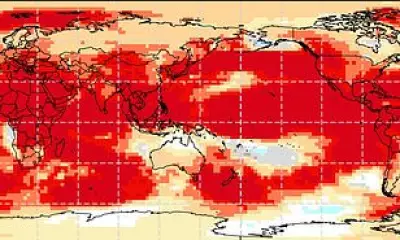
As global temperatures continue to climb, the undeniable impact of climate change is becoming increasingly evident through more frequent and severe heatwaves. This trend poses significant risks to public health, infrastructure, and ecosystems, prompting urgent questions about societal responses.
The Escalating Threat of Extreme Heat
Scientific data consistently shows that climate change is driving a rise in average temperatures worldwide. In regions like Australia, this has translated into record-breaking heat events, prolonged droughts, and devastating wildfires. These extreme weather patterns are not isolated incidents but part of a broader, alarming trend linked to human activities such as fossil fuel emissions and deforestation.
Holding Power to Account
Amidst these challenges, there is a growing public demand for greater government accountability. Citizens and activists are questioning whether current policies and actions are sufficient to mitigate the climate crisis. Calls for transparency, stronger regulations, and more ambitious climate targets are gaining momentum, as people seek to ensure that leaders prioritise environmental sustainability over short-term economic interests.

This push for accountability extends beyond mere rhetoric; it involves advocating for concrete measures such as investing in renewable energy, enhancing disaster preparedness, and supporting international climate agreements. The role of public pressure, through petitions, protests, and electoral choices, is crucial in driving these changes forward.
The Broader Implications
The consequences of inaction are dire, with potential impacts including:
- Increased heat-related illnesses and fatalities, particularly among vulnerable populations like the elderly and children.
- Strain on energy grids and water resources during peak demand periods.
- Economic losses from damaged crops, disrupted supply chains, and higher insurance costs.
- Irreversible harm to biodiversity and natural habitats, exacerbating the extinction crisis.
Addressing these issues requires a multifaceted approach that combines individual efforts with systemic reforms. While personal actions like reducing carbon footprints are important, they must be complemented by robust governmental policies and international cooperation.
In summary, as heatwaves intensify due to climate change, the imperative for holding governments accountable has never been clearer. By fostering a culture of responsibility and action, society can work towards a more resilient and sustainable future, mitigating the worst effects of this global crisis.