
Marine Heatwave Threatens UK Beaches
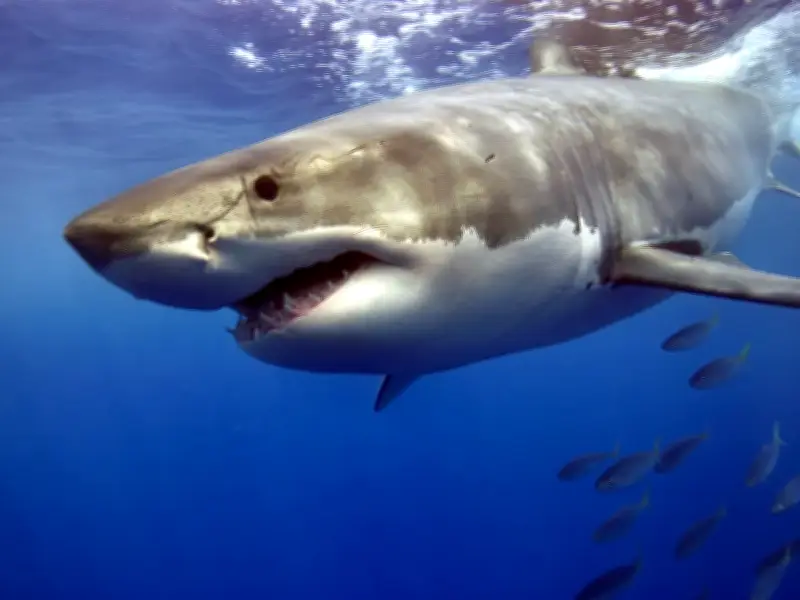
Great white sharks could become a common sight on British beaches as a long-lasting marine heatwave threatens to make seasides dangerous, according to oceanographer Jim Dale. The Met Office forecast that sea heat, named a marine heatwave, would reach "extreme" levels this week. Persistently warmer waters would encourage typically Mediterranean species to head to the UK, including great white sharks and box jellyfish.
"We were bound to see some of our more common marine species die off - including cod fish - while new species crop up," Dale added. Sharks, jellyfish, poisonous algal blooms, and festering sewage could all make British beaches increasingly dangerous in the future, the expert claimed.
Temperature Rise and Health Alerts
The ongoing heatwave has gradually hit more northern regions of the UK, with the mercury forecast to hit 34°C tomorrow. The UK Health Security Agency (UKHSA) extended its amber heat health alert to cover the Northeast of England, with warnings in place until Sunday night. The hotter weather has sparked higher sea surface temperatures across the British Isles. Some parts of the Welsh and English coasts were up to 5°C warmer than average, the Met Office revealed.
It raised the possibility of an "extreme" marine heatwave in the coming days, which has rarely been recorded in the UK.
Species Shift and Ecosystem Impact
Mr Dale said: "We're bound to see species die, and species pop up that ordinarily weren't there before. For example, cod like cold water, so they tend to drift further north. Jellyfish like warm water, so we're swapping cods for jellyfish." Warmer coasts risked making beaches increasingly dangerous for families, he added. Poisonous algal blooms were more likely to spring up in warmer water, which would ultimately affect British beaches.
"It's the little things that you don't even see," he added. "You've got the algal blooms which can be poisonous, and very detrimental. They suddenly pop up and they stink. You don't want to touch that water because if you do and put your hands in your mouth, you've got a real problem. There is a real threat there."
He even warned that great white sharks could become increasingly common on British shores. The sharks would be attracted to the new sources of prey in our seas, making the water even more dangerous for families.
Shark Migration and Other Species
Mr Dale said: "The threat has to be there as our oceans and seas warm. It won't be just a great whites either; it'll be hammerheads and others. Everything that's in the Mediterranean, everything that's in and around the Canaries, they will be attracted to some of the foods that are in our seas. So the migration of these species, of the great whites and even box jellyfish, will increasingly affect us."
The marine heatwave was sparked by the recent heat dome, and is the third and most intense heatwave seen this year, the Met Office added. It would have significant impacts on ecosystems and wildlife, and could even lead to so-called mass-mortality events for some species.
Weather Forecast and Thunderstorm Threat
Meanwhile, an area of high pressure was likely to cause warmer temperatures in Scotland and the north of England tomorrow. The mercury could hit the mid-20s°C in Northern Ireland and Scotland. The Midlands, the Southeast of England and the east coast were forecast up to 34°C by 4pm. Heading into Saturday, the temperature was expected to cool in the south and Midlands, but it would be immediately followed by the threat of thunderstorms.
Deputy Chief Forecaster Tom Crabtree said: "Many people will understandably want to know how long the current heatwave is likely to last. While temperatures are expected to ease across southeast England through the weekend and into next week, it won't be a straightforward end to the warm weather. High pressure is expected to remain in charge through much of next week, but it will gradually migrate northwards. This means that an easterly wind will become established in the south, and the focus for the hottest conditions will migrate towards the southwest. As a result, some places that have seen the highest temperatures during recent weeks will begin to cool. It will however, remain very warm – especially in the southwest – and heatwave thresholds may continue to be met in places. The overall signal is for continued fine, dry and very warm weather at times for many parts of the UK into next week. There is however a chance of thunderstorms spreading into parts of the south and southwest."




