
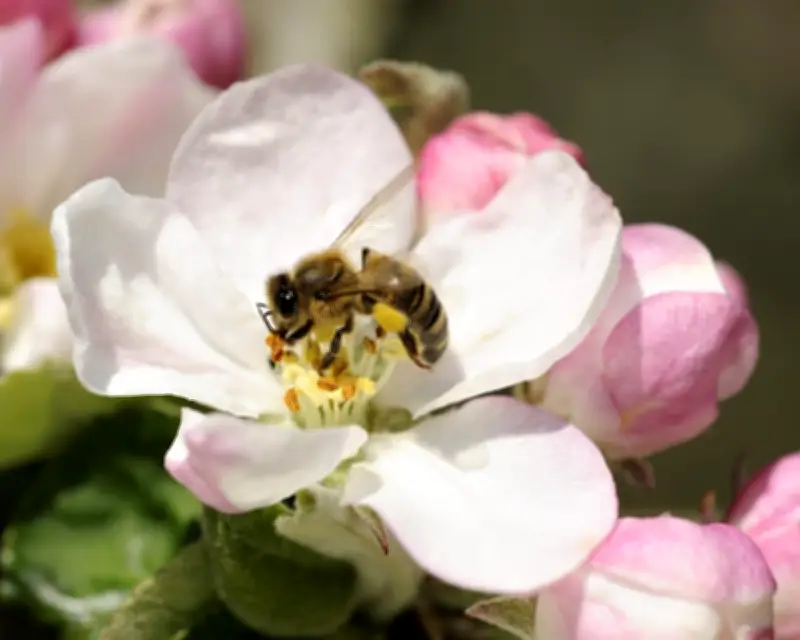
Individual honeybees given a dietary supplement of probiotics and inulin, a plant-derived prebiotic, survived prolonged cold exposure better than bees fed a standard sugar diet in laboratory tests, according to new research. However, the supplements offered little meaningful protection against extreme heat, and experts caution that colony-level effects may differ in the wild.
Study Details and Findings
Scientists led by Dr Najmeh Sahebzadeh, an associate professor at the University of Zabol in Iran, tested worker bees in controlled lab conditions. Bees receiving the supplement mixture fared significantly better when subjected to cold stress, surviving longer than those on a plain sugar diet. But at 40°C, all bees died within days, regardless of diet, though some receiving higher supplement doses lived slightly longer.
Temperature extremes are becoming more common globally due to climate change, though the relationship between global warming and unusual cold events is complex. The study, published recently, highlights the potential role of nutrition in helping managed bees withstand some temperature stresses.
Expert Perspectives
Dr Sahebzadeh said: “As nutritional shortages, pathogens and extreme weather continue to compound one another, the study is relevant not only to pollinator health but also to broader ecosystem stability and the services that food systems depend on.”
Peter Graystock, an assistant professor at Imperial College London not involved in the study, commented: “It is interesting that this suggests microbes may be important for changes in climate, which isn’t something that has been looked at very much.”
Caveats: Cage Study vs. Colony Behaviour
Both the researchers and independent experts stressed that the study used isolated caged bees, not full colonies. In outdoor hives, bees exhibit collective behaviours such as wing fanning to cool the nest, which can mitigate heat stress before it becomes lethal. Prof Giles Budge, an independent expert at Newcastle University, explained: “Colony-level behaviours … wouldn’t necessarily be expressed in a cage study. A good example is that when honeybees fan their wings together, they can move air through the nest and reduce its temperature. That can mean a behaviour intervenes before the thermal stress causes mortality.”
Graystock added: “Honeybees will change their behaviour to try to cool down their hive. But there comes a point where there is only so much they can do.”
Implications for Agriculture and Conservation
Honeybees are vital to modern agriculture, pollinating many crops. Managed colonies can be moved to support crop production. Graystock noted: “Winter is one of the riskiest periods for honeybee colonies because bees can’t leave the hive to forage and must rely on stored resources to survive. This study suggests nutritional and microbial supplements might help bees through some of these cold challenging periods, although further research is needed to see whether those benefits occur at the colony level in the real world.”
However, the researchers warned against viewing supplements as a substitute for healthier landscapes. Dr Sahebzadeh said: “Supplementation deals with the immediate physiological stress, not the underlying causes like shrinking forage, fragmented habitat and pesticide exposure. It really needs to sit alongside broader conservation-minded beekeeping, not replace it.”
Graystock echoed this, advocating for improvements in floral diversity and countryside management to reduce dependence on artificial feeding: “I’d like to think nutritional supplements would not become the norm, because it would suggest that we don’t have healthy landscapes where bees can have healthy food.”




