England's Flood Defenses Criticized as Inadequate Amid Record Rainfall
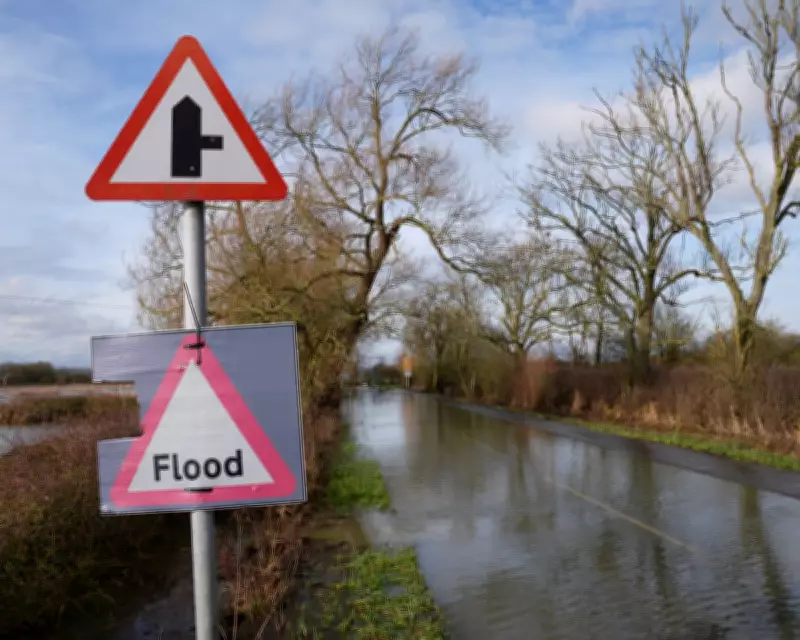
Flood warnings remain active across south-west England and Wales, with forecasts predicting another fortnight of wet weather that will keep already saturated ground from drying. In a striking example, residents of Aberdeen have reported no sunlight since January 21st, prompting stoic responses on BBC radio, where one local remarked, "You have to get on with it, brighter days are coming." However, north-east Scotland faces further heavy rain, compounding challenges for farmers and businesses.
Impact on Communities and Agriculture
The disruption extends beyond mere inconvenience. Marketing consultant Sam Kirby recounted working from a car park in Cornwall after Storm Goretti due to broadband failures, noting it was the first of three January storms. In Somerset, where over 600 homes flooded in 2014, emergency pumps have been deployed alongside permanent ones at Northmoor to combat rising waters. Yet, some describe it as "a losing battle" against escalating climate risks. Cereal and vegetable growers await receding waters to assess crop damage, highlighting the economic toll.
Government Response and Criticisms
Following recent extreme weather, the Environment Agency is reviewing its flood management strategy for England, with devolved administrations handling similar schemes in Scotland, Wales, and Northern Ireland. In a letter to the environmental audit committee, Environment Secretary Emma Reynolds emphasized efforts to strengthen workforce competence and revise planning frameworks to account for flood risks. However, years of budget cuts and confusion over the agency's purpose have eroded confidence in its capacity to lead climate resilience efforts. While relief workers earn praise for their proactive efforts, the overall approach is criticized as reactive rather than preventive.

Climate Change and Future Risks
Although no recent UK flooding matches the 2024 disaster in eastern Spain that killed 229 people and led to a regional president's resignation, experts warn torrential winter rains are arriving 20 years earlier than predicted. This acceleration is due to warmer air holding more moisture and an unstable jet stream causing weather systems to stall. With 6.3 million properties in England at risk, projected to rise to 8 million by 2050, the need for investment and clear communication is urgent. Climate researchers caution against the "boiling frog" effect, where gradual changes become normalized, making them harder to address.
Call for Long-Term Adaptation
Ministers are urged to focus on climate adaptation, including improved drainage systems, and maintain this focus long after floods recede. The growing frequency of extreme rain risks desensitizing the public to dangers, such as drivers being rescued from stranded vehicles or pensioners from flooded homes. Proactive measures and sustained investment are essential to mitigate future crises and enhance national resilience against climate-induced weather patterns.