
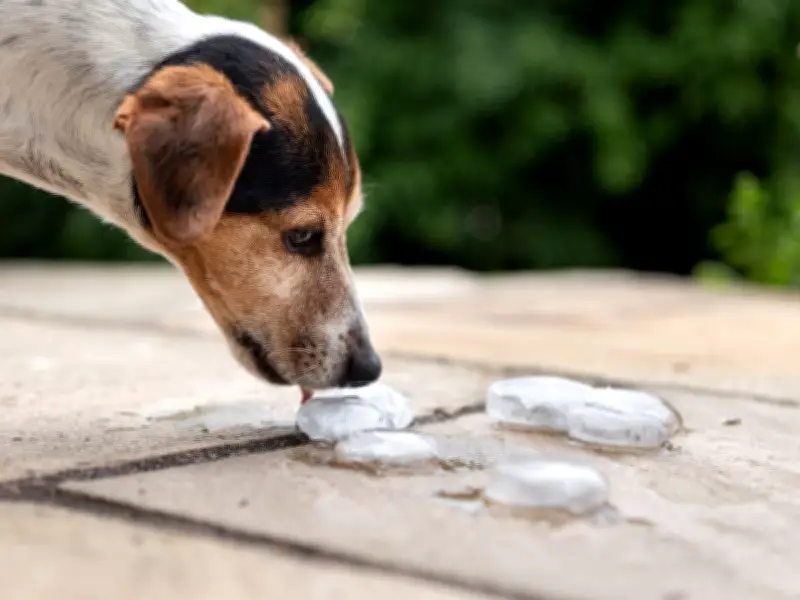
Pet owners are being urged not to give their dogs ice cream during the UK heatwave, as specialists warn the common cooling treat can cause illness. The warning comes as the Met Office forecasts highs of 34C in London and the South East on Wednesday, July 8, and 35C on Thursday, July 9, with temperatures remaining 'well above average' in southern parts of the country.
Why Ice Cream Is Dangerous for Dogs
Scott Cieslar, animal nutrition specialist at Mad Barn, explained that while owners want to help pets cool down, human treats are often unsafe. Ice cream is high in sugar and fat, and many dogs cannot digest dairy well, leading to upset stomach, diarrhoea, vomiting or discomfort. Even small amounts can cause problems.
More concerning is that some frozen desserts, low-sugar products or homemade lollies may contain ingredients dangerous to pets, including xylitol, chocolate, raisins or certain flavourings. Xylitol, a common sweetener in sugar-free products, is highly toxic to dogs, causing rapid insulin release and potentially fatal hypoglycaemia.
Pet-Safe Cooling Alternatives
Instead of ice cream, owners should focus on fresh water, shaded rest areas, damp towels, cooling mats and small frozen portions of pet-safe foods. Scott recommends plain cucumber pieces, frozen carrot, or normal food frozen into a slow-feeder toy, as long as it suits the dog's usual diet. Sudden dietary changes during a heatwave can upset digestion and worsen dehydration risks.
BBQ and Picnic Foods to Avoid
Owners are also warned about BBQ foods. Sausages, burgers, chicken skin, salty crisps, sauces and marinades can be too fatty or salty. Onion, garlic, chives and leeks are known to be dangerous to dogs. The Blue Cross lists chocolate, grapes, raisins, currants, onions, garlic, chives, leeks and xylitol as poisonous to dogs.
Scott added: 'A lot of heatwave pet problems happen because owners are trying to be kind. They give the dog a bit of ice cream, a sausage from the BBQ or a lick of a lolly because they think it is only a small amount. But pets are much smaller than us, and ingredients that are fine for people can be unsafe for them.'
Heatstroke Risks and Warning Signs
The RSPCA notes that dogs are at high risk of heatstroke because they lose heat through panting and can only sweat through their paws. Flat-faced breeds such as pugs, French bulldogs, Shih Tzus and Boxers are particularly vulnerable. Cats, especially older, overweight or flat-faced breeds, also struggle in high temperatures, according to PDSA.
Scott advised: 'If a pet stops eating completely, becomes lethargic, vomits, has diarrhoea, pants heavily, drools excessively, appears weak or seems confused, owners should contact a vet. Do not try to solve heat stress with food. Move them somewhere cool, offer water, reduce activity immediately and seek veterinary advice.'
Food Safety in Hot Weather
Wet or raw food should not be left out in the heat, as it spoils quickly and attracts flies. Uneaten food should be removed promptly, and water bowls refreshed regularly. 'A good heatwave rule is this: if you would not leave it out for yourself in a hot kitchen or sunny garden, do not leave it out for your pet,' Scott said. 'Keep meals simple, avoid rich human foods, and focus on hydration and keeping the animal cool.'




