
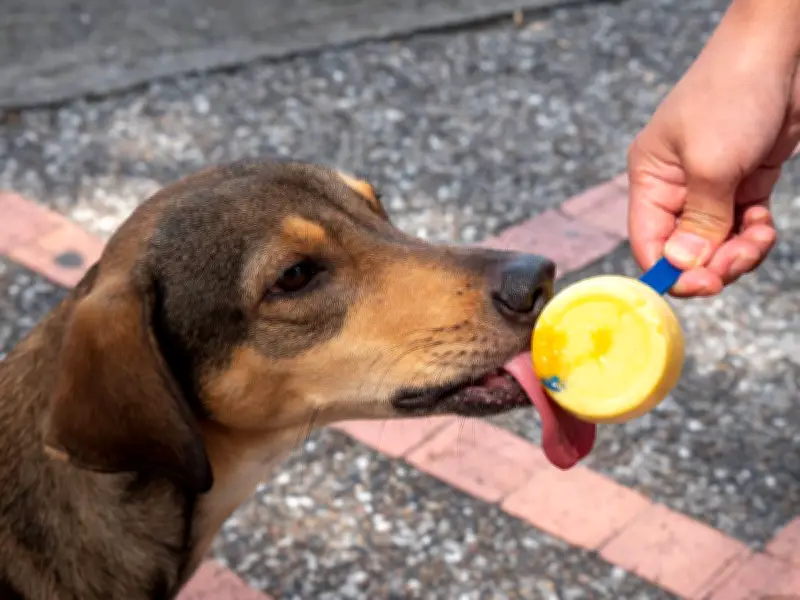
Pet owners are being cautioned against offering their dogs a widely popular 'cooling' summer treat amid the UK heatwave. Experts warn it could leave animals in poor condition at a time when they are already contending with the heat.
The caution arrives as regions of the UK continue to experience particularly warm weather, with the Met Office predicting highs of up to 34C in London and the South East on Wednesday, July 8, and up to 35C on Thursday, July 9. The Met Office has stated temperatures will stay 'well above average' in certain locations, with heatwave conditions anticipated to continue in the southern parts of the nation.
Why Ice Cream and Other Treats Are Dangerous
While numerous owners are already steering clear of midday dog walks, examining pavements and maintaining water bowls filled, specialists say dietary selections are frequently overlooked during warm periods. Particularly, treats that appear refreshing to humans, including ice cream, ice lollies and BBQ leftovers, can prove hazardous for pets.
Scott Cieslar, an animal nutrition specialist at Mad Barn, has cautioned that ice cream is among the summer snacks owners ought to refrain from giving to dogs, regardless of whether it seems like a quick way to help them cool down. Scott said: "It is completely understandable that owners want to help their pets cool down during a heatwave. But human treats are not always safe for animals."
"Ice cream is one of the most common examples. It might look harmless, especially if a dog is panting or sitting beside you in the garden, but it can be high in sugar and fat, and many dogs do not digest dairy well. In some pets, even a small amount can lead to an upset stomach, diarrhoea, vomiting or discomfort."
Toxic Ingredients to Avoid
"The bigger concern is that some frozen desserts, low-sugar products or homemade lollies may contain ingredients that are dangerous to pets, including xylitol, chocolate, raisins or certain flavourings. So while it may feel like a cooling treat, it can create another problem at exactly the wrong time."
Rather than reaching for a frozen snack, pet owners are urged to opt for animal-friendly ways to keep their pets cool. Recommendations include providing fresh water, shaded resting spots, damp towels to lie on, cooling mats and modest frozen portions of pet-appropriate foods where suitable.
Healthy dogs can usually eat ice or drink cold water during the summer without any issues. It helps them stay cool, as long as you use the right-sized cubes to avoid choking, don't give them to dogs that show signs of heatstroke, and keep an eye on them to protect their teeth.
Safe Alternatives and BBQ Risks
Scott added: "The safest way to cool a pet is not usually through a sugary treat. Fresh water, shade and rest are much more important. If you want to offer something frozen, keep it simple and pet-safe. For dogs, that could mean a few pieces of plain cucumber, a small amount of frozen carrot, or their normal food frozen into a slow-feeder toy, as long as it suits their usual diet."
"The key rule is to avoid experimenting during a heatwave. Sudden changes in food, rich treats and leftovers can all upset the digestive system, and that can make dehydration more of a concern."
Owners have also been cautioned to exercise care with BBQ foods, which can be especially enticing to pets during summer social events. Sausages, burgers, chicken skin, salty crisps, sauces and marinades may contain excessive fat or salt, while onion, garlic, chives and leeks are recognised as hazardous to dogs.
Blue Cross identifies numerous everyday foods as toxic to dogs, including chocolate, grapes, raisins, currants, onions, garlic, chives, leeks and xylitol. Scott stated: "A lot of heatwave pet problems happen because owners are trying to be kind. They give the dog a bit of ice cream, a sausage from the BBQ or a lick of a lolly because they think it is only a small amount."
"But pets are much smaller than us, and ingredients that are fine for people can be unsafe for them. Grapes and raisins are a good example, as they are often found in summer picnic foods, fruit salads, cakes and snacks. Chocolate desserts, sugar-free treats, onion-based dips and heavily salted foods should also be kept well away from pets."
Heatstroke Risks and When to Seek Help
The caution relates especially to dogs, though cat owners are similarly urged to remain vigilant during warm weather. PDSA indicates that cats can experience difficulty in elevated temperatures as well, particularly elderly cats, kittens, overweight cats, and flat-faced breeds, and recommends that owners establish shaded spots and ensure abundant fresh water throughout the home.
RSPCA guidance also highlights that dogs face an elevated risk of heatstroke as they release heat by panting and can only perspire through their paws. The charity states flat-faced breeds, including pugs, French bulldogs, Shih Tzus and Boxers, are especially susceptible during warm weather.
Scott stated: "Nutrition is only one part of heatwave care, but it matters. During hot weather, some pets may eat less than usual, and that is not always a concern if they are otherwise bright, drinking normally and behaving as expected. However, if a pet stops eating completely, becomes lethargic, vomits, has diarrhoea, pants heavily, drools excessively, appears weak or seems confused, owners should contact a vet."
"Do not try to solve heat stress with food. If an animal is overheating, treats are not the answer. Move them somewhere cool, offer water, reduce activity immediately and seek veterinary advice if you are worried."
Scott advises that owners should also avoid leaving wet or raw food exposed in the heat, as it may deteriorate more rapidly and attract flies. Any remaining food should be cleared away swiftly, and water bowls should be replenished consistently throughout the day.
Scott continued: "A good heatwave rule is this: if you would not leave it out for yourself in a hot kitchen or sunny garden, do not leave it out for your pet. Keep meals simple, avoid rich human foods, and focus on hydration and keeping the animal cool. The best summer treat for most pets is not ice cream or BBQ scraps. It is a cool, quiet place to rest, with clean water, and an owner who knows when to slow everything down."




