
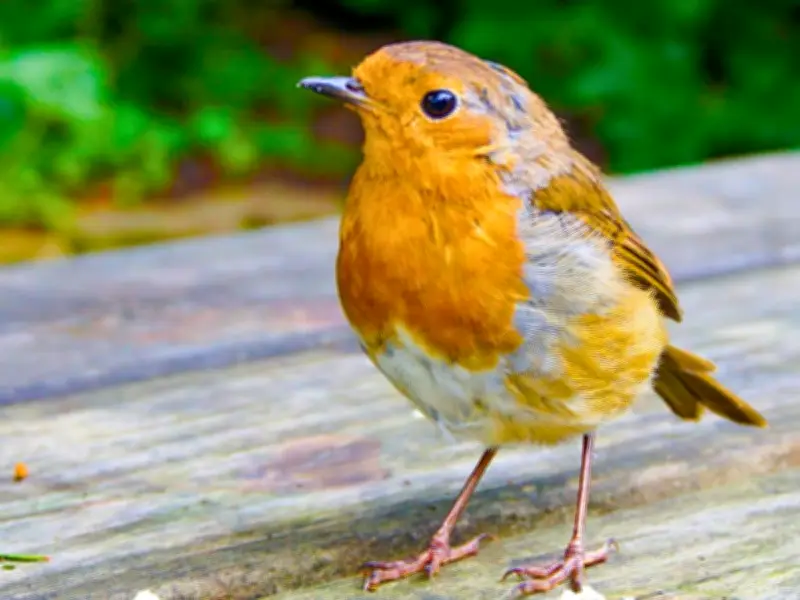
Robins are one of the most beloved birds in British gardens, but come July, the sweltering heat makes it hard for them to find food. While gardeners may want to help, putting out the wrong bird food can do more harm than good.
Why Suet Balls Are Dangerous in Summer
Danielle from Really Wild Bird Food warns that fat balls, also known as suet balls, can be risky during hot weather. She said: "While fat balls can definitely be enjoyed by wild birds all year round, it's important to be vigilant when putting out fat balls in the summer months, especially if the weather is particularly hot."
Suet balls are made from soft animal fat, which melts rapidly in high temperatures. The sticky residue can coat robins' feathers, causing them to clump together and lose their insulating properties. Robins rely on their feathers to trap air and regulate body temperature; greasy feathers can lead to heat stress, dehydration, and even death.
Safer Alternatives for Feeding Robins
Instead of suet balls, gardeners should offer dried mealworms. These are packed with protein and help sustain robins when earthworms are scarce. Soak the mealworms in water before placing them out to make them easier for chicks to eat and to provide hydration.
Place mealworms in a bird feeder, on a table, or on the ground in a safe area. The RSPB advises seasonal feeding: from May 1 to October 31, stop feeding birds to reduce disease spread. They said: "We can help stop the spread of disease among garden birds by making two simple shifts to how we feed birds. Put simply: Feed seasonally. Feed safely."




