Basil is widely regarded as easy to care for, which prompts many gardeners to simply leave it sitting in a pot. However, neglecting one quick gardening task that takes mere seconds can prevent the herb from flourishing as it should. As temperatures rise across the UK, basil plants begin to flower, at which stage they redirect all their energy towards seed production instead of growing larger leaves. This results in small, tough foliage that proves difficult to chew and tastes distinctly bitter, making the plant practically unusable in the kitchen.
Expert Advice: Pinch Weekly for Fuller Leaves
Cynthia, a gardening expert from Grow Better Veggies, has shared that pinching your basil weekly can stimulate it to produce fuller, more flavoursome leaves, reports the Express. Cynthia said: "I've talked to loads of people who seem to have trouble with basil. They plant it out in their herb garden or kitchen garden, and find that it never gets very big or bushy. The key to its success is pinch, pinch, pinching. Even at this very young age, we pinch off the top. No scissors or clippers required, the growing tip is easily removed with just your fingernails."
Why Pinching Works
While it may seem counterintuitive, pinching basil postpones flowering and maintains the plant's focus on leaf production. In doing so, the herb directs all its resources towards foliage development, ensuring leaves remain tender and considerably more aromatic. Being an annual plant, basil will naturally start to deteriorate once it has flowered. Holding off this process keeps it in good condition and flourishing for a good deal longer. This method not only encourages bigger leaves to grow, but also prompts the plant to produce extra side shoots, ultimately resulting in a considerably more plentiful yield.
How to Pinch Basil Correctly
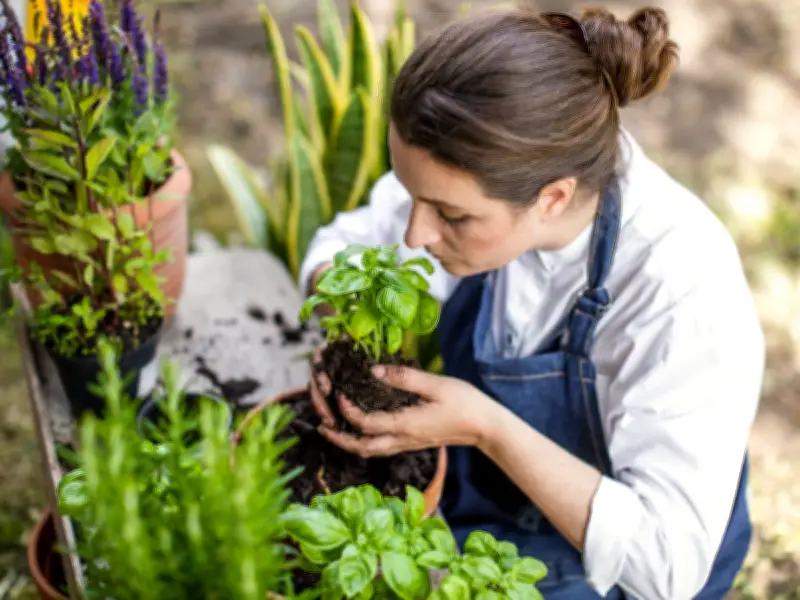
To pinch basil, locate the leaf nodes — the small bumps along the main stem where two leaves grow directly opposite each other. Use your fingers to remove the stem growing above the leaves. Take care not to disturb the leaves themselves, as these will go on to form new basil branches. Throughout the summer months, basil frequently produces flowers, so make sure you check your plant at least once a week for any new growth and remove any buds you find.
When to Replace Your Basil Plant
If you notice a significant number of flowers on your basil, it may be worth thinking about getting a new plant or taking a cutting to propagate. At this stage, basil is entering the final phase of its life cycle and is unlikely to last more than a few weeks. Taking the time to carry out this simple and easy task will make a marked difference to the health of your basil, whether you grow it on a kitchen windowsill or out in the garden.