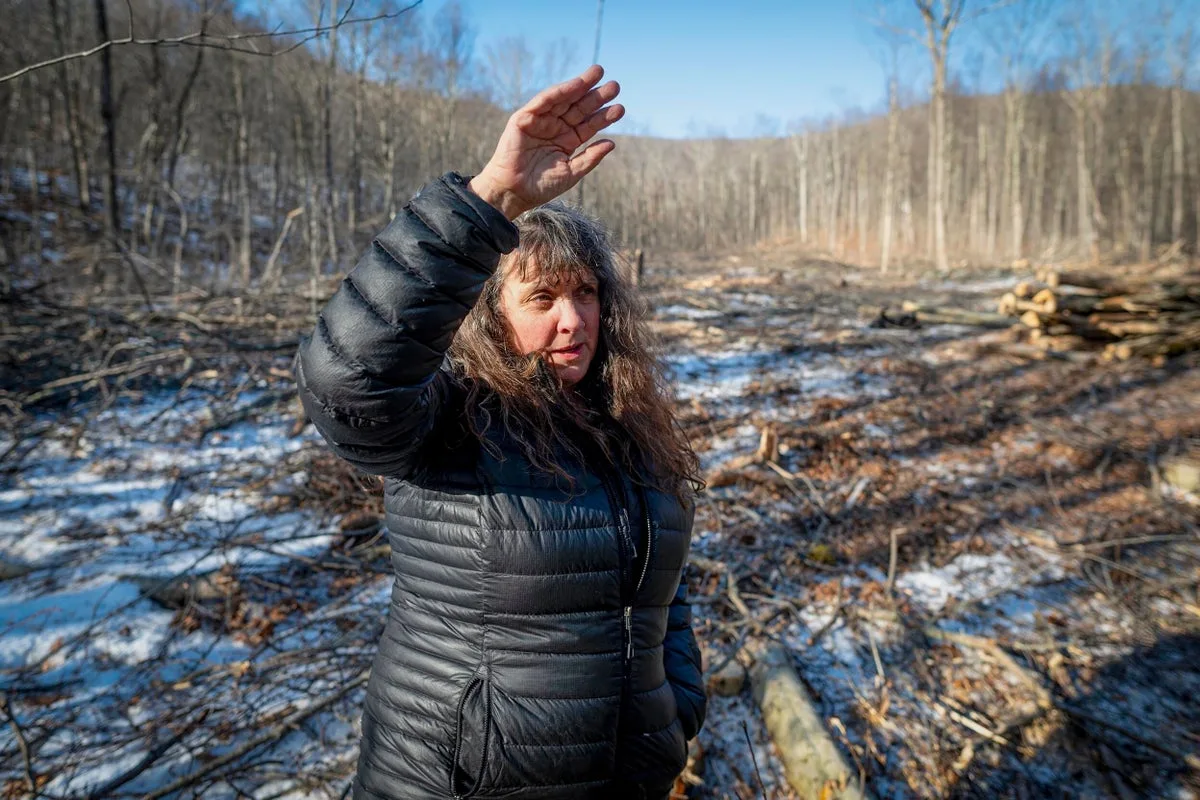
Tracey Forest, owner of the Spirit Hollow silent retreat in Vermont, was forced to relocate her programmes after logging operations began on adjacent land in the Green Mountain National Forest. The logging, part of a 15-year U.S. Forest Service plan called the Early Successional Habitat Creation Project, aims to create young forests by logging over 14,000 acres. Forest described the arrival of logging trucks as a 'big shocker,' saying the noise and felled trees disrupted her guests' experience.
The project has reignited debate in Vermont between conservationists who favour rewilding and those who advocate active forest management. The Forest Service argues that logging promotes habitat for wildlife like songbirds and game birds, while critics say it undermines forest health and public input. The use of a 'Condition-Based Management' approach has drawn legal challenges, with some lawyers arguing it limits public feedback and allows plans to change without review.
Forest, who has run the retreat since 2000, said she was not consulted about the logging and had to rely on community fundraising to relocate her programmes. 'The bigger issue is this lack of transparency and communication,' she said. The Forest Service maintains that condition-based management meets legal requirements and does not shortcut environmental review.