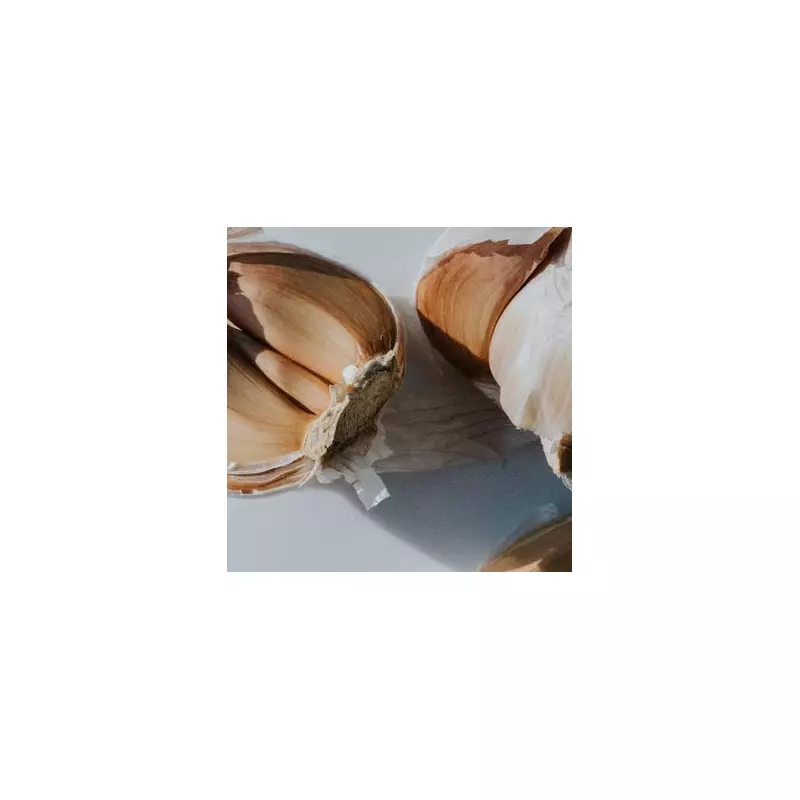
Gardeners across the UK are being encouraged to harness the power of a common kitchen ingredient to protect their outdoor spaces this winter. Experts are advising that garlic serves as a highly effective, natural deterrent against unwelcome pests, particularly rats, during the colder months.
Why Garlic Works Against Rodents
Despite the damp and dreary conditions typical of January, gardens can still attract problematic visitors, with rats being a primary concern. Specialists at Proof Pest Control confirm that the vegetable's potent, sharp aroma acts as "a natural and effective way to repel rats".
Rats rely heavily on their acute sense of smell to locate food and detect danger. Powerful odours like those emitted by garlic overwhelm and confuse them, disrupting their foraging patterns and encouraging them to flee the area.

Simple Methods for Garden Protection
Deploying this natural remedy is straightforward. Gardeners can simply crush fresh garlic cloves and scatter them in areas where rat activity has been observed. For a longer-lasting solution, placing the crushed cloves into a small mesh bag and hanging it in problem zones is recommended.
An alternative is to create a homemade garlic spray. This involves blending garlic oil with water and spraying it around potential nesting sites and garden borders. This creates a scent barrier that rodents are keen to avoid.
An Added Bonus: Deterring Slugs
The benefits of garlic extend beyond rodent control. The pungent bulb is also a formidable foe against slugs, which are thoroughly repelled by its powerful smell.
The key compound is allicin, which is released when garlic is crushed or chopped. Interestingly, slugs may initially be drawn to the scent, but it subsequently irritates their mucous membranes, effectively driving them away.
Gardeners can make a simple garlic water concoction, adjusting the strength to their preference, and spray or pour it onto vulnerable plants. Applying this homemade deterrent weekly throughout the year can help safeguard cherished plants from slug damage.
This natural approach, highlighted by experts in early January 2026, offers a chemical-free, accessible strategy for gardeners to defend their plots against some of the most common and troublesome pests.