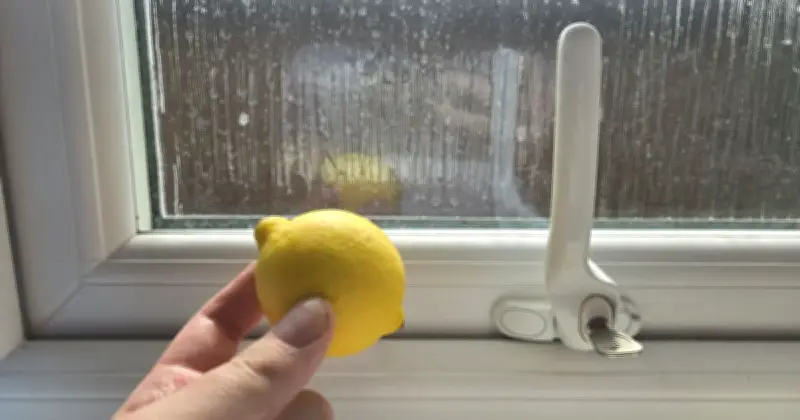
Households across the UK are being urged to rub lemon peel on windowsills and in doorways before the return of Flying Ant Day, which typically peaks in July and August, according to the Royal Society of Biology. The strong citrus scent is known to repel ants, making it a natural deterrent for the swarms.
What Is Flying Ant Day?
Despite its name, Flying Ant Day is not a single nationwide event. It refers to the period when large numbers of flying ants hatch and swarm, often on different days across the country depending on local weather conditions. The Royal Society of Biology notes that while the peak months are July and August, flying ants can be seen on up to 96% of days between June and September.
The phenomenon occurs when ants leave hibernation in search of a mate, triggered by warm and calm weather. The society explains: “Ants only flew when the temperature was above 13°C and when the wind speed was less than 6.3 metres per second. During the course of the study, every day in the UK summer that had a mean temperature above 25°C had ants flying somewhere.”
Natural Repellents and Prevention Tips
Saga magazine has shared tips on how to ward off flying ants, highlighting that natural oils like citrus, peppermint, and lemon peel can keep ants from entering homes. “They find the strong scents off-putting,” the magazine states.
Iliyan Andreev, a pest control specialist at Fantastic Services, told Saga: “You only need to add a few drops of your chosen essential oil to a spray bottle filled with water, and spray it on your windows, doors, and other potential entry points. You can also create a natural barrier around your home by planting herbs such as rosemary and peppermint.”
Keep Your Home Clean
Beyond natural repellents, cleanliness is key. Mr. Andreev adds: “The simplest but most effective way to prevent flying ants is to keep your home clean. In the same way as all pests, flying ants are attracted to food sources around your house (kitchen, dining room, even your bedroom if you enjoy midnight snacks). Cleaning up your kitchen and dining areas can help deter them from entering your home. Additionally, make sure to store any food leftovers in airtight containers to discourage unwanted visitors.”
Urban Areas Affected First
Experts note that ants tend to mass first in London due to its urban environment, followed by other cities before spreading to the countryside. The Royal Society of Biology emphasizes that weather is critical: “Weather turns out to be an absolutely critical factor in triggering ants to fly. By comparing records of flying ants with the nearest weather station data, we were able to untangle some of the factors that trigger ants to take to the sky.”