Some farmers in England will lose money by opting into environment schemes under new plans to cap payments available for sustainable farming. Environment Secretary Emma Reynolds announced that payments will be limited to £100,000 per farm, aiming to allow more farmers to benefit. She stated that the new system is "fairer" and that too much productive land had been removed from conventional farming.
After Brexit, England shifted from subsidies based on land area to payments for environmental benefits, calculated on an "income foregone" basis to ensure farmers were not out of pocket. The new cap means no farm can claim more than £100,000 annually from these schemes, potentially leading larger farms and estates to return land to food production.
Reynolds told the National Farmers' Union (NFU) conference that a quarter of funding currently goes to just 4% of farms, which she deemed unfair. She said the cap strikes a balance between value for money, environmental delivery, and simplicity. However, she could not assure farmers there would be no funding gap between old and new schemes, with 10,000 agreements expiring in December.
Jake Fiennes, head of conservation at Holkham Estate, warned that the policy risks undoing environmental work, as larger farms may be disincentivised from maintaining long-term projects. He noted that many major schemes ending in December have significant environmental value, and the income change could reduce environmental output in areas committed to improvement for decades.
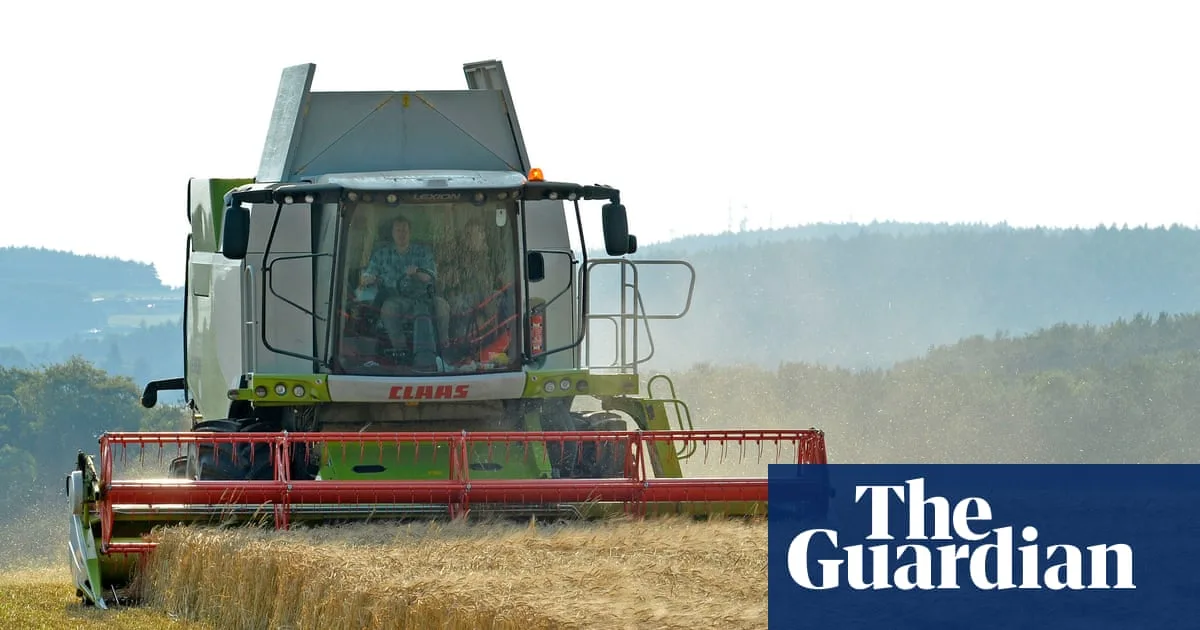
Food production in England is declining, with wheat, vegetables, and beef all falling due to rising costs and extreme weather. NFU president Tom Bradshaw called for a food strategy with clear sector-by-sector ambitions, stating that the years of declining production must end. Smaller farms under 50 hectares will be prioritised for funding, as Defra noted that 25% of funding previously went to 4% of farms.
Farmers have urged the government to stop changing schemes and ensure stable, transparent funding for long-term environmental actions. Martin Lines of the Nature Friendly Farming Network emphasised that funding must grow and remain consistent to meet climate and nature goals, while Fiennes acknowledged the need to rebalance distribution but cautioned against undoing great work.