The Trump administration has announced it will begin funnelling significantly more water to agricultural interests in California's fertile Central Valley, a move that has immediately drawn fierce criticism from state officials and conservation groups.
A New Plan for a Vast Water System
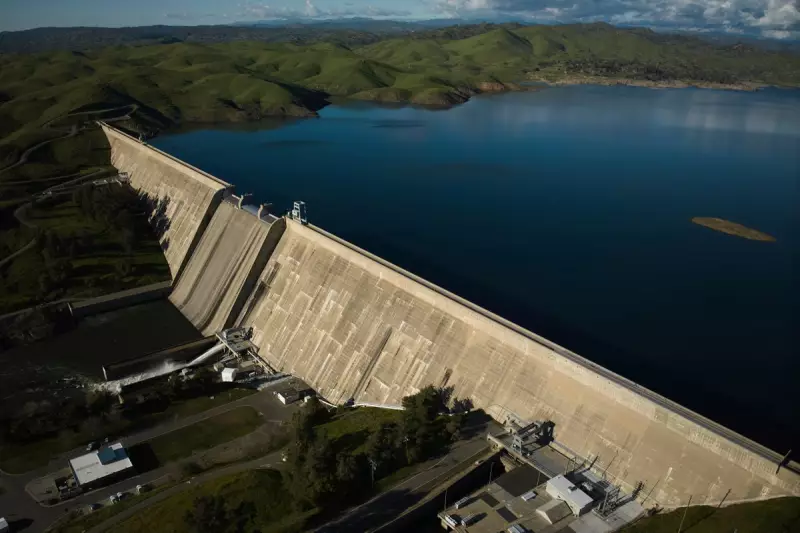
On Thursday 5th December 2025, the U.S. Bureau of Reclamation unveiled a fresh operational blueprint for the Central Valley Project. This massive, federally managed network of dams, pumps, and canals redirects water from Northern California to the drier southern farmlands. The plan, which takes effect on Friday 6th December, directly implements an executive order signed by President Donald Trump in January 2025.
That order, provocatively titled “Putting People over Fish: Stopping Radical Environmentalism to Provide Water to Southern California,” argued the state was wasting precious water resources under the guise of protecting endangered fish species. Interior Secretary Doug Burgum stated the new approach would help “strengthen California’s water resilience.”

Immediate Backlash and Environmental Warnings
The decision was swiftly condemned. Karla Nemeth, director of the California Department of Water Resources, warned that the federal plan could cripple the state's own ability to deliver water to cities and farmers. This is because the state might be forced to use more of its allocated water for species protection if the federal project sends less.
Environmental advocates issued stark predictions. Barbara Barrigan-Parrilla of Restore the Delta said increased pumping would lead to more deaths of Delta smelt and juvenile salmon in the machinery. She also warned of exacerbated harmful algae blooms as temperatures rise, threatening fish, wildlife, pets, and people. “When you destroy water quality and divorce it from land, you are also destroying property values,” she argued. “Nobody wants to live near a fetid, polluted backwater swamp.”
The Bureau of Reclamation has denied that its changes will harm the environment or endangered species.
Agricultural Gains and a Contentious History
The Central Valley Project primarily supplies water for agriculture, irrigating roughly one-third of California's farmland. The Westlands Water District, a major recipient, welcomed the move. Its general manager, Allison Febbo, said it “will help ensure that our growers have the water they need to support local communities and the nation’s food supply, while also protecting California’s wildlife.”
This action echoes a similar policy from Trump's first term, which was challenged in court by Democratic Governor Gavin Newsom. The Biden administration later adopted a different water plan in 2024. Governor Newsom had not commented on this latest decision by Thursday evening.
The political context for this move was set earlier in 2025, when President Trump renewed his criticism of California's water policies following January wildfires in the Los Angeles area where some hydrants ran dry. It is notable, however, that the Central Valley Project does not supply water to Los Angeles.