Trench Composting: The Ancient, No-Effort Method to Supercharge Your Garden
Trench Composting: An Ancient, Effortless Garden Method

Gardeners across the UK are rediscovering a remarkably simple, ancient technique to boost soil fertility and manage kitchen scraps, all without the need for a traditional compost bin or strenuous turning. Known as trench composting, this low-effort method is gaining popularity for its straightforward approach and significant benefits.

What is Trench Composting and How Does It Work?

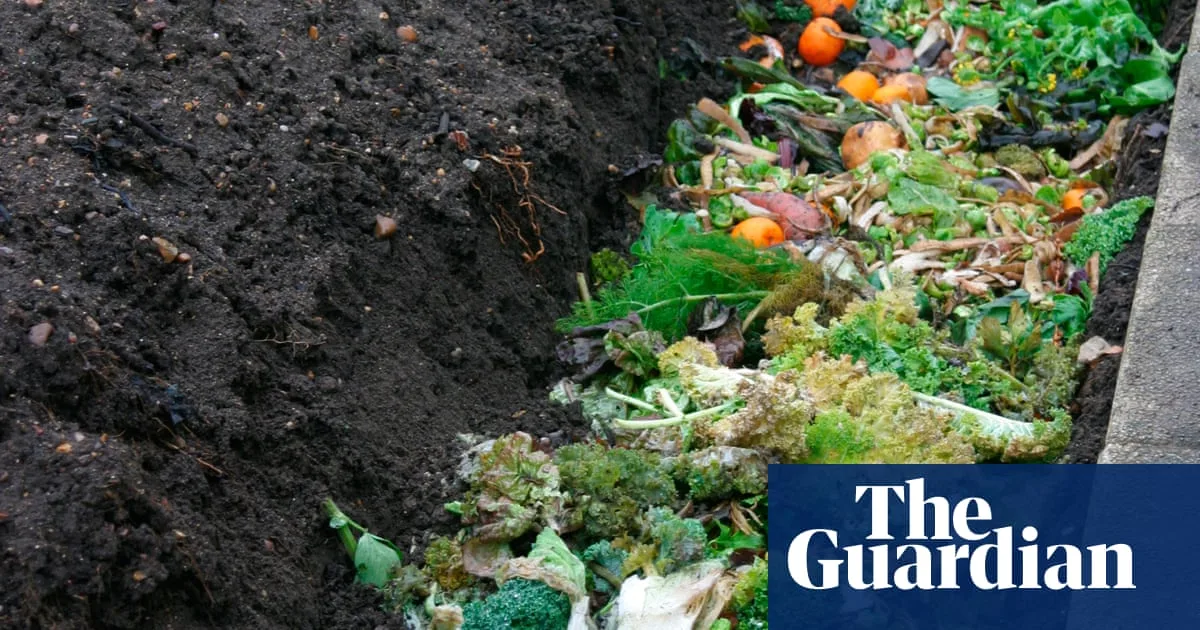
Unlike conventional compost heaps that require careful balancing of materials and regular aeration, trench composting involves a more direct process. Gardeners simply dig a trench or pit, typically about 12 to 18 inches deep, directly in their vegetable plot or flower bed. Kitchen waste such as vegetable peelings, fruit scraps, and coffee grounds are then deposited into the trench and covered over with soil.

The magic happens underground. Earthworms and soil microorganisms immediately get to work breaking down the organic matter right where plants will grow. This process enriches the soil structure, improves moisture retention, and provides a slow-release source of nutrients for plant roots. No turning, no bins, and no unsightly piles are required.

The Historical Roots and Modern Benefits

This is not a new innovation but a practice with deep historical roots, utilised by gardeners for centuries. Its revival speaks to a growing desire for sustainable, low-maintenance gardening solutions. Proponents highlight several key advantages.

Firstly, it is an excellent way to recycle kitchen waste efficiently, diverting it from landfill. Secondly, it builds soil health in a targeted way, feeding the specific area where future crops will be planted. The method also avoids common composting problems like attracting rodents or creating odours, as the waste is buried deeply.

Horticultural experts, including those from the Royal Horticultural Society (RHS), endorse the practice for its effectiveness. It aligns perfectly with no-dig gardening principles, which aim to disturb soil ecosystems as little as possible while still adding organic matter.

Implementing Trench Composting in Your Garden

Getting started is refreshingly simple. The basic steps involve choosing a location in a dormant bed, digging your trench, and adding appropriate waste. It's recommended to use a "dig and drop" rotation system, moving the trench location each time to systematically enrich different parts of the garden.

Ideal materials for the trench include fruit and vegetable scraps, crushed eggshells, and tea bags. It's best to avoid meat, dairy, cooked foods, and perennial weeds. Once the waste is in the trench, cover it with at least 8 inches of soil to ensure rapid decomposition and deter pests.

Within a few months, the buried waste transforms into rich humus. Gardeners can then plant directly into the enriched soil, giving their vegetables and flowers a powerful, natural boost. This method proves that sometimes, the oldest solutions are the most effective, offering a path to a lush, productive garden with truly minimal effort.