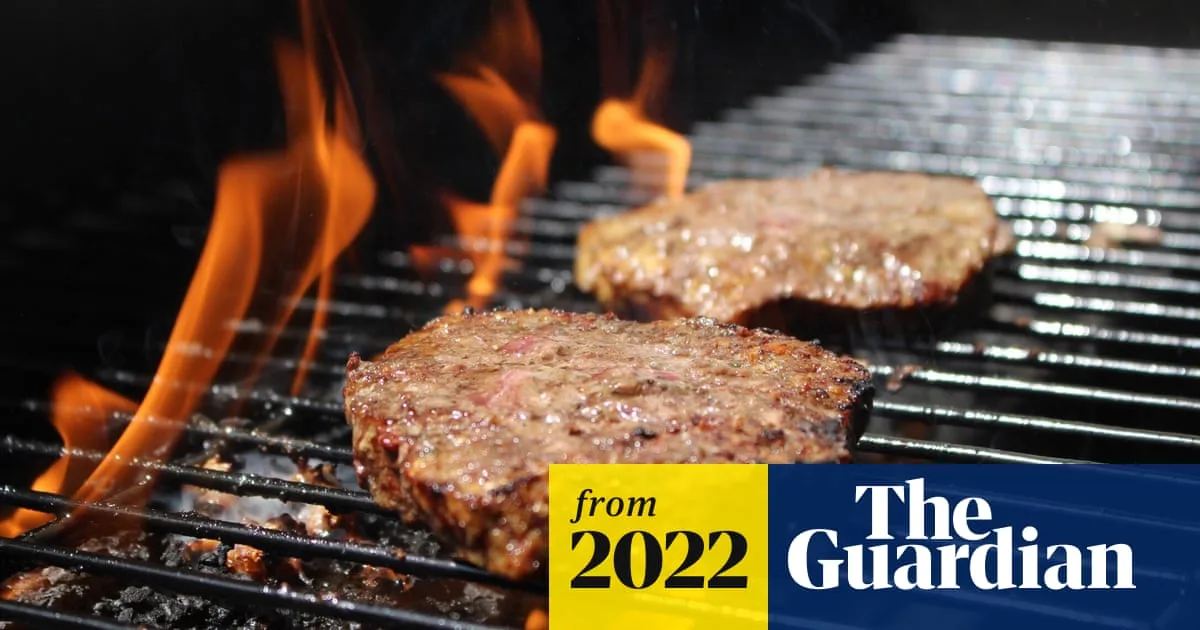
A new report has suggested that meat consumption in the developed world should be cut to the equivalent of about two hamburgers per week to help avert the worst impacts of the climate crisis. The State of Climate Action 2022 report, produced by the Systems Change Lab, assessed global progress on 40 indicators essential for halving greenhouse gas emissions by 2030.
The findings paint a bleak picture, with more than half of the indicators off track and several moving in the wrong direction. Among the most concerning are rising gas use, slow adoption of emissions-reduction technology in steelmaking, continued reliance on passenger cars, loss of mangrove forests, and agricultural emissions. The report calls for urgent action, including a sixfold acceleration in the phase-out of coal and a similar increase in the expansion of public transport.
Ani Dasgupta, chief executive of the World Resources Institute, which contributed to the report, highlighted the devastation already caused by 1.1°C of warming. “Every fraction of a degree matters,” he said. Bill Hare of Climate Analytics warned that the rise in fossil gas power generation is particularly worrying, given the availability of cheaper, healthier alternatives. He noted that the pandemic and the war in Ukraine have shown the risks of continued reliance on fossil fuels.

Despite the grim outlook, the report identified some bright spots. Solar power generation increased by nearly 50% between 2019 and 2021, and electric vehicles accounted for almost one in ten passenger car sales in 2021, double the previous year. However, the authors stress that far greater investment is needed, estimating an additional $460bn annually over the next decade to shift the global economy to a low-carbon footing.
The report also calls for an end to favourable treatment of fossil fuels by governments and urges financial institutions to stop underwriting fossil fuel production and carbon-intensive industries. The findings will be presented at the COP27 UN climate summit in Egypt next month.