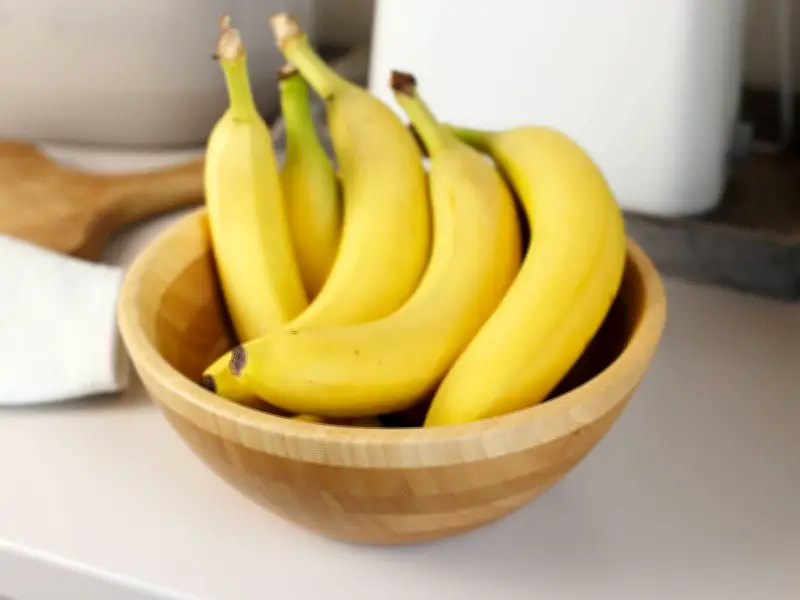
Bananas, one of the most wasted foods in the UK, can stay fresh for up to two weeks if stored correctly, according to food hygiene experts. The key is to avoid the common practice of keeping them in a fruit bowl or plastic bag.
Why Bananas Ripen Quickly
Bananas produce ethylene gas, which accelerates ripening. When stored in a plastic bag, this gas concentrates, causing bananas to turn brown within a day or two. Many supermarkets sell bananas green, and they rapidly turn yellow at home, often developing brown spots shortly after.
Optimal Storage Location
A food hygiene expert at High Speed Training advises against storing bananas in a bowl. Instead, they should be placed on a worktop at room temperature, away from moisture, direct sunlight, and warm appliances like ovens. The expert explained: "Anywhere too warm will speed up the ripening process, so avoid keeping them near ovens or warm appliances."
Tips to Extend Freshness
Separating bananas from the bunch can help maintain prime freshness. The expert noted: "The ethylene gas is released from the stem of the banana, so to slow the impact of the gas and avoid over-ripening too quickly, you can also wrap the stems in plastic wrap or cling film. This reduces the amount of gas that will be able to travel down the fruit and therefore allows them to stay fresher for longer."
Alternative Storage Methods
For those who find wrapping stems tedious, a banana tree can keep fruit well-ventilated. Once bananas reach optimum ripeness, refrigeration can keep them fresh for up to two weeks. Brown or overly ripe bananas are still safe to eat; the flesh inside remains fine.
Choosing bananas not packaged in plastic bags at the supermarket also helps, as bagged bananas ripen faster. While many supermarkets are reducing such packaging, bags with holes still accelerate ripening.