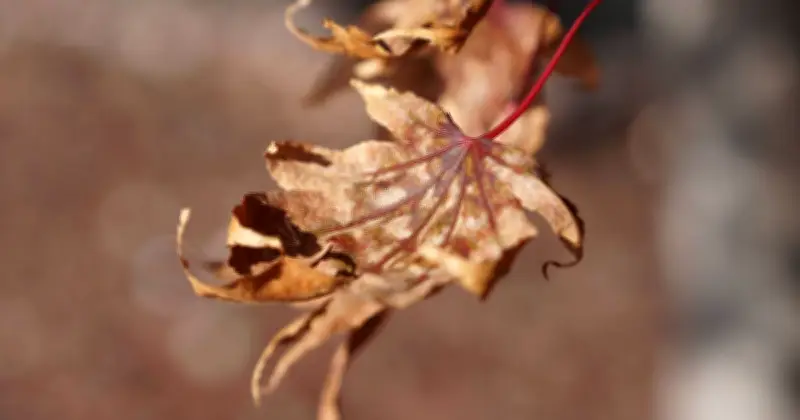
Japanese maples, prized for their striking foliage, are increasingly popular in British gardens but require extra care in the UK climate. Naturally thriving in woodland settings beneath larger trees in Japan, they are typically shielded from direct sunlight and benefit from decomposing leaves on the forest floor that retain moisture. However, their shallow root systems make them prone to drying out when temperatures rise, leading to brown, droopy, or brittle leaves. In severe cases, leaves may drop off and growth can cease for the remainder of the season.
Simple Natural Solution for Heat Protection
Tom Warren, a gardener known online as The Plant Doctor, has revealed a straightforward method to safeguard Japanese maples during hot weather: adding pine straw mulch to the soil. "One thing that will help your Japanese Maple out tremendously in high heat environments is mulch," Warren said. "When you mulch Japanese maples, I want you to use some sort of organic material. I prefer pine straw, it works great for me, or you can use pine bark nugget."
Why Mulching Is Essential
Mulching involves placing organic material around a plant to enrich the soil with nutrients and insulate the roots, maintaining lower temperatures. This technique is highly effective for protecting Japanese maple roots, which grow near the surface, as it serves as a defensive layer against heat exposure. Additionally, mulch minimizes water evaporation, preventing the sun from drying out the soil and keeping it moist for longer periods, thereby reducing watering frequency.
Pine Straw vs. Pine Bark
Pine straw is commonly recommended for Japanese maples because its light, leaf-like quality recreates their native growing conditions. However, it decomposes more quickly and requires more frequent replacement. Pine bark is more durable and lasts longer, but its chunkier appearance may be less natural-looking. Both options are suitable, and many gardeners prefer pine straw for its aesthetic integration.
How to Mulch a Japanese Maple
To mulch correctly, start by clearing the area around the tree, removing weeds, loosening the topsoil with a gentle dig, and watering the ground if dry. Distribute the mulch in a circular formation around the tree, ensuring it does not touch the trunk. Contact with foliage or bark can trap moisture and promote mold growth. The goal is to create a doughnut-shaped ring of mulch around the base. Water the mulch thoroughly after application to help it settle into the soil. This method will keep your Japanese maple healthy throughout spring and summer.