
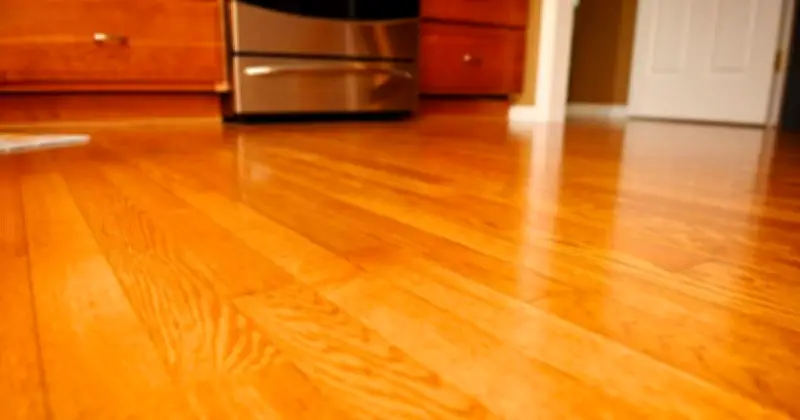
Olive oil, a common kitchen item, can restore the shine of wooden floors and keep them dust-free without the need for harsh chemicals, according to DIY specialist Nell Regan Kartychok, founder of Rhythms of Play. The simple mixture of olive oil, vinegar, and water acts as a natural polish that revives wood's lustre and helps disguise minor scuffs.
Why Wooden Floors Lose Their Shine in Spring
Wooden floors, increasingly popular over carpet due to easier upkeep, often require a thorough clean during spring to avoid deterioration. As windows are opened more frequently, additional dust and pollen enter the home, accumulating on floors and forming a thin layer that makes surfaces appear worn and lacklustre. If left unchecked, fine particles can erode the finish, potentially causing permanent damage.
The Olive Oil Solution
Kartychok recommends adding a few tablespoons of olive oil to a mop bucket. She said: "Olive oil is a fantastic natural cleaner for wood, so this recipe is the best mixture to clean wood around the house without harsh chemicals." Olive oil nourishes the wood, revitalises colour, and buffing it into the floor can disguise minor scuffs or superficial scratches. When combined with an acidic component such as vinegar, the mixture effectively dissolves residue and keeps floors dust-free.
DIY Cleaning Recipe
To deep clean a wooden floor, mix the following ingredients in a 16-ounce glass spray bottle: 400ml of water, 60ml of white vinegar (or apple cider vinegar for darker wooden floors), two tablespoons of olive oil, and 20 drops of lemon essential oil (optional). Lemon essential oil contains limonene, which cuts through grease and has antimicrobial properties. However, animals cannot metabolise essential oils, so avoid this ingredient if you have a cat or dog.
Olive oil can make floors extremely slippery if applied too liberally. Just a few tablespoons are sufficient. Shake the bottle thoroughly before each use, lightly spray the floor in small sections, and mop immediately. Never saturate the floor, as excessive liquid can damage the wood. After mopping, go over the floor with a microfibre cloth or dry mop to ensure it is thoroughly dry and to prevent streaks.
Benefits and Precautions
This natural cleaning method avoids harsh chemicals, nourishes the wood, and restores its rich appearance. It is cost-effective and uses common household items. However, users should be cautious with the amount of olive oil to prevent slipperiness and avoid essential oils if pets are present. The result is a spotlessly clean, gleaming wooden floor that can be checked off the spring cleaning list.




