British gardeners are being urged to protect their prized roses from a pervasive fungal threat this January, with experts highlighting a remarkably simple and natural solution. Black spot disease, which causes unsightly dark patches on foliage, thrives in the UK's damp winter weather and can severely weaken plants.
Understanding the Black Spot Threat
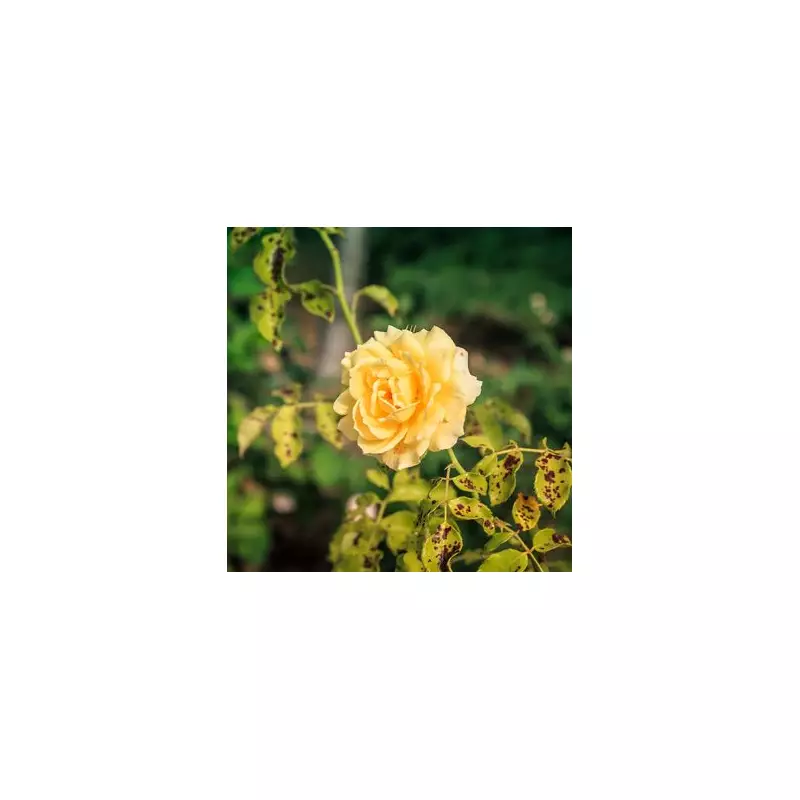
Black spot is a serious fungal infection that begins as dark lesions on rose leaves. These patches cause the surrounding leaf tissue to turn yellow before the leaves eventually drop off, as reported by the Express. The disease's spores are primarily wind-borne but require moisture to germinate, making wet and muddy conditions particularly hazardous for gardens.
While seldom fatal, an untreated black spot infection can drastically reduce a rose's vigour, compromising its ability to survive winter cold. It also stunts the plant's growth and flowering potential, leading to a sparse, disappointing display come summer.

Powerful Natural Prevention Strategies
Horticultural specialists at Dammann's Garden Company emphasise that effective prevention doesn't require harsh chemicals. Surprisingly, common household items can create an inhospitable environment for the fungus.
Baking soda, when applied, creates an alkaline surface on leaves, disrupting spore development. Similarly, ordinary white vinegar—the same type found in kitchen cupboards—contains acetic acid with mild antifungal properties that can eliminate spores.
"Toxic solutions might be effective, but they are damaging to your garden and soil and should be used as a last resort," the experts advised. "Vinegar and baking soda are a great way to safely combat the growing fungus by changing the pH balance."
The Surprising Role of Dairy and Neem Oil
Another effective remedy involves a mixture of cow's milk and water. The proteins in the milk act as both an antifungal agent and a surfactant, killing spores and preventing them from adhering to leaf surfaces.
For a more concentrated solution, neem oil forms a protective barrier around roses. Derived from evergreen neem trees, this natural fungicide inhibits the black spot fungus from thriving. "Make sure you follow the directions on the container to mix the oil to the right concentration," the specialists cautioned.
Essential Cultural Practices for Healthy Roses
Beyond direct treatments, good garden hygiene is paramount for prevention. Ensuring roses remain as dry as possible is critical, as overgrown plants trap moisture and restrict airflow—creating ideal conditions for disease.
Gardeners should prune their roses at the correct time, typically in late winter during February or March. It is also vital to clear away any fallen leaves and debris from around the plants, as spores can spread via this damp material.
Finally, applying a winter mulch is highly recommended. This helps retain essential soil moisture, suppresses weeds, and can limit the dispersal of fungal spores. "Add a layer of mulch to the soil to keep the moisture locked in despite the better airflow, simultaneously keeping the roots healthy and suffocating developing weeds," the experts concluded.