Echoes of Iona at the Tiny, Precious Loch Insh Old Kirk
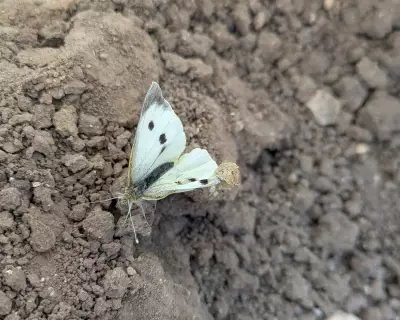
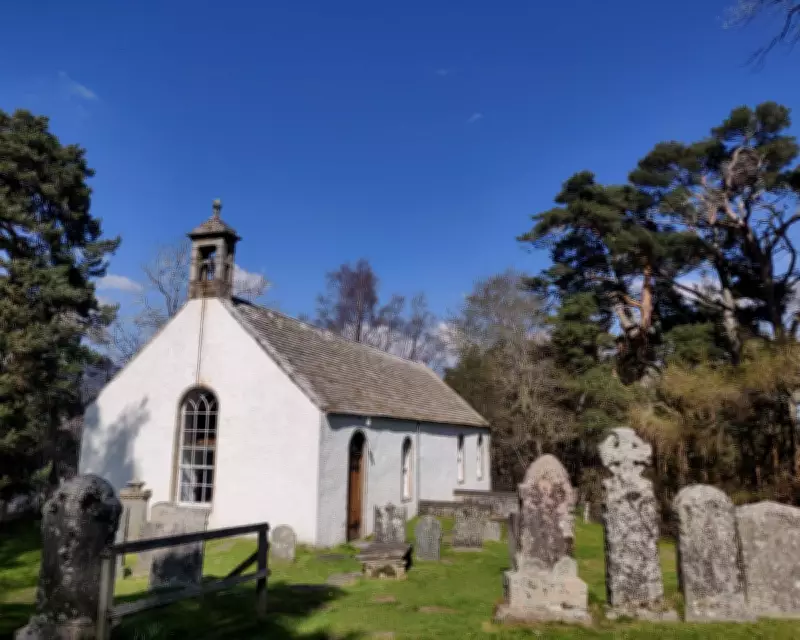
In the heart of Badenoch, within the majestic Cairngorms, the snow has receded to the mountain peaks, and the final shards of ice are disintegrating along the shores of Loch Insh. Amidst this muddy, awakening landscape, the Loch Insh Old Kirk stands proudly on a knoll on the northern bank. This simple stone structure, featuring a bell tower and arched windows, was constructed in 1792, yet its spiritual significance traces back to early monks from Iona, potentially as far as the seventh century. Remarkably, some historical accounts assert this location as the site of the longest continuous Christian worship in all of Scotland.
Ancient Roots and Sacred Artifacts
The original monks likely erected a stone cell here, serving both as a dwelling and a base for evangelism. A subsequent chapel was dedicated to St Adamnan, the ninth abbot of Iona and biographer of Columba, with a rough granite font from that era still present today. The monks traditionally rang a bell to call the faithful to worship, and the kirk preserves a bronze bell dating to AD 900, one of only five such relics remaining in Scotland. Steeped in legend, this bell was believed to possess healing powers and was once stolen and taken to Scone Palace, but it miraculously returned home, tolling the chapel's name across the Drumochter Pass.
The Celtic cross etched into one of the windows echoes St John's Cross on Iona, connecting this remote church to its ancient origins. Despite its historical treasures, the kirk remains a vibrant, living space, supported by a dedicated congregation and illuminated by clear windows that offer sweeping views of the surrounding birch, larch, and Scots pine forests. Here, a rookery provides a noisy chorus, while red squirrels dart among branches above delicate snowdrops.

A Sanctuary for Wildlife and Worship
Loch Insh and its adjacent marshes serve as crucial sanctuaries for threatened wildlife, hosting otters, beavers, goldeneyes, curlews, and ospreys that return each summer. Bewick swans reside here year-round, and in winter, the area welcomes whooper swans migrating from Iceland. The Celtic church was renowned for celebrating nature as a divine gift and revelation, with local legends suggesting that the monks of Loch Insh used their sacred bell to summon swans to worship.
However, the old kirk now faces the imminent threat of closure, prompting the local community to rally in its defence. Efforts are underway to ensure that the harmonious songs of birds, bells, and worshippers continue to resonate through this historic landscape, preserving a legacy that bridges centuries of faith and natural beauty.