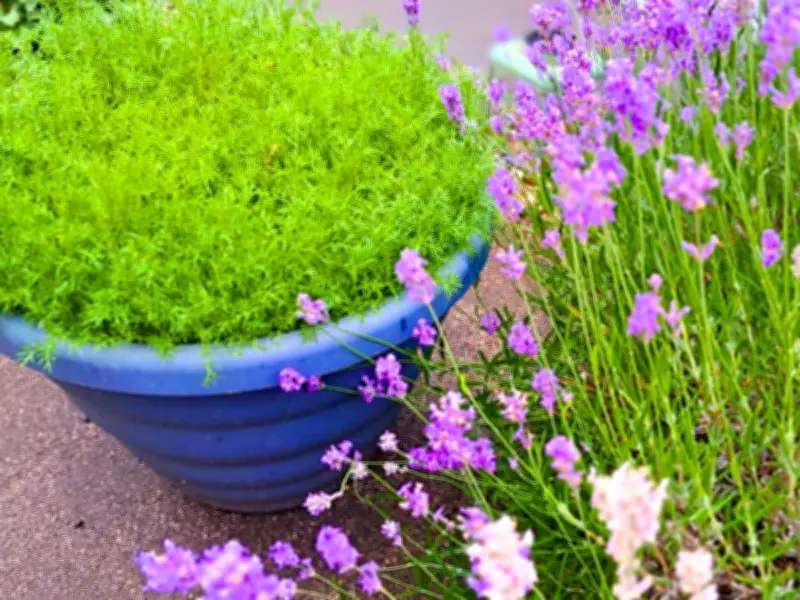
Lavender does not need fertiliser or fancy gardening techniques—just placing gravel in the soil can help encourage the best blooms this summer, according to gardening expert Katherine McPhillips.
Why Fertiliser Harms Lavender
Fertilising the garden in July is common for most plants, but lavender is different. As a woody herb native to the Mediterranean, it naturally flourishes in poor, sandy soil. Applying fertiliser causes lavender to channel energy into leafy foliage rather than flowers, stresses the plant, and can attract slugs to soft new growth.
The Simple Gravel Method
McPhillips recommends placing gravel around the base of lavender plants instead of fertiliser. The UK has seen hot weather recently, but July often brings rainfall, especially in Scotland. Waterlogged soil is a common cause of lavender struggling or dying in British gardens. Gravel efficiently channels water away from roots, improves air circulation, and reduces humidity.
Lavender still receives adequate moisture, but gravel helps drain stagnant water, replicating the arid conditions of its natural environment. Stone also absorbs heat rapidly, warming the soil and recreating the hot climate lavender is accustomed to, helping it continue blooming.
Additional Tips for Blooming
If lavender still fails to flower after laying gravel, check that it is not in a shaded area. The plant requires six to eight hours of sunlight daily. Growing lavender beside a patio in a bright, open spot away from other plants allows it to flourish with little effort.
McPhillips guarantees that laying down gravel will result in lots of purple stems this summer.