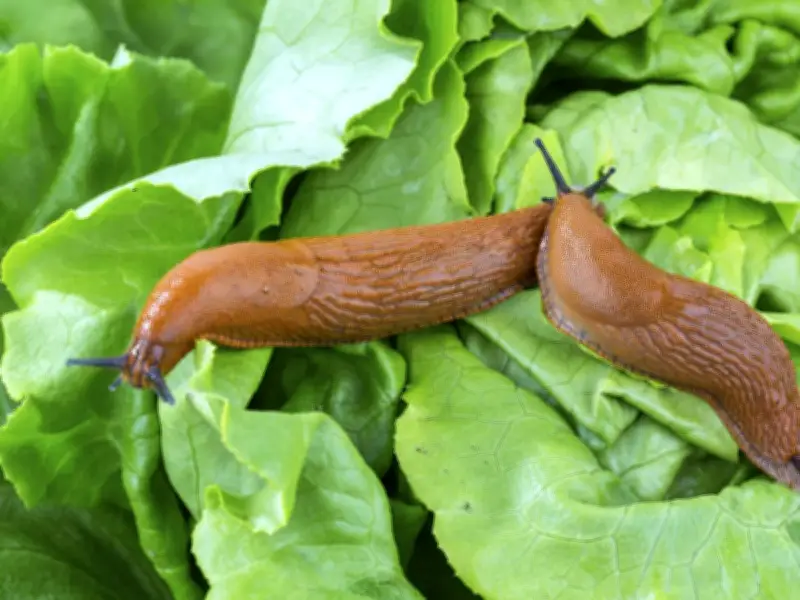
Natural Ways to Deter Slugs and Snails
Gardeners seeking to protect their plants from slugs and snails can turn to a variety of natural methods that avoid harsh chemicals. These pests are notorious for damaging leaves, stems, and fruits, especially in damp conditions. By implementing simple barriers and deterrents, you can keep your garden thriving.
Effective Barriers and Traps
Copper tape is a popular choice: when slugs and snails come into contact with it, they receive a mild electric shock, deterring them from crossing. Another option is crushed eggshells or sharp grit, which creates an uncomfortable surface for these soft-bodied creatures. Beer traps can also be effective—place a shallow dish of beer in the soil; the scent attracts slugs and snails, which then drown.
Encouraging Natural Predators
Attracting wildlife that preys on slugs and snails can help control their population. Birds, frogs, toads, and hedgehogs are natural enemies. Creating a wildlife-friendly garden with ponds, log piles, and native plants encourages these predators to visit. According to the Royal Horticultural Society, a single hedgehog can eat up to 100 slugs in one night.
Plant Choices and Garden Maintenance
Some plants are less appealing to slugs and snails. Consider planting lavender, rosemary, ferns, or ornamental grasses, which are often avoided. Regularly clearing debris, such as fallen leaves and weeds, reduces hiding spots. Watering in the morning rather than evening allows the soil to dry out, making it less hospitable for nocturnal pests.
When to Take Action
Slugs and snails are most active during warm, wet weather, typically in spring and autumn. Monitoring your garden during these times can help you catch infestations early. A study from the University of Newcastle found that slugs can consume up to 40% of their body weight in plant material daily, highlighting the importance of timely intervention.