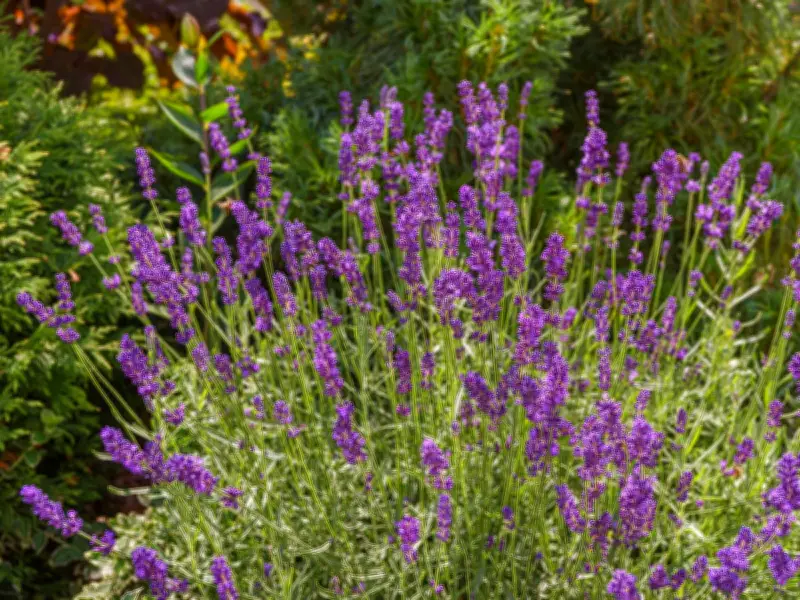
Gardeners can encourage a second round of lavender blooms later this summer by performing a simple pruning task in July, according to Lindsey, a gardener who tends to 15 lavender plants. Sharing her expertise on TikTok (@mamanowwhat), Lindsey explained that trimming English lavender now promotes fresh growth and additional flowering.
Why Prune Lavender in July?
Pruning lavender prevents the plant from becoming overly woody at the base, which can lead to sparse foliage and blooms. Regular trimming maintains the plant's shape and health. Lindsey noted, "If you're growing English lavender, giving it a trim can give you a whole second round of blooms later in summer." She uses a length of string wrapped around the plant to ensure she only removes the flowerheads.
When to Prune Lavender
Lavender should ideally be trimmed twice annually: once in spring and once in summer. The spring prune should occur before bud break, between late March and early April. The summer cut should take place just before flowering, around July, to enable a second blooming period.
How to Prune Lavender Properly
When pruning, avoid cutting too far down. In spring, reduce the plant by one to two-thirds just before buds emerge. After summer flowers, cut back to half. Younger lavender plants require more aggressive pruning (up to half of shoots) to promote compact growth. For older shrubs, first remove all spent flower heads, then trim carefully—no more than 10 cm—to stimulate fuller form. Lavender struggles to regenerate from woody stems near the base, so exercise caution.