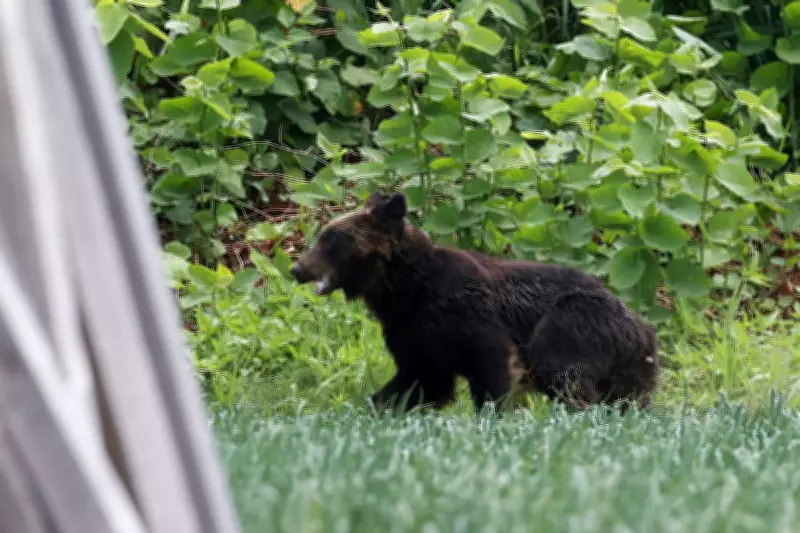
Abandoned Orchards in Japan's Depopulated Villages Identified as Key Driver of Bear Encounters
Scientists have uncovered a surprising link between Japan's rapidly depopulating "ghost villages" and the country's escalating bear attack incidents. A groundbreaking new study reveals that abandoned orchards in these rural areas are providing easy food sources that attract bears into human settlements, challenging long-held beliefs about the primary drivers of such dangerous wildlife encounters.
Rising Bear Incidents Challenge Previous Assumptions
Bear attack incidents have been increasing dramatically across Japan, with more than 50 cases reported annually since 2014. The numbers spiked sharply in both 2023 and 2025, creating what researchers describe as "a serious issue of conflict between humans and bears in Japanese society." For years, scientists and wildlife experts believed bears ventured into human areas primarily due to hunger caused by habitat destruction and food scarcity in their natural environments.
However, the latest research published in the journal Mammal Study presents compelling evidence that overturns this conventional wisdom. The study demonstrates that bears entering human settlements are not necessarily nutritionally compromised or starving, but rather are drawn by readily available food sources in abandoned agricultural areas.

Ghost Villages and Their Unintended Consequences
Japan's demographic crisis has created numerous depopulated rural communities, often referred to as "ghost villages," where aging populations and urban migration have left once-thriving settlements nearly empty. These areas contain abandoned orchards that continue to produce fruit year after year without human intervention, creating what scientists describe as "attractive food sources" for wildlife.
"Since the 2000s, there have been incidents of bears intruding in large numbers in autumn in areas where humans are active," the researchers noted in their study. This pattern has become particularly pronounced in recent years as more rural areas experience population decline, leaving behind agricultural land that becomes de facto feeding grounds for bears and other wildlife.
Groundbreaking Fat Analysis Methodology
To understand what drives bears into human settlements, scientists conducted an innovative analysis of fat accumulation in over 600 Asian black bears. These bears had been killed either as threats to human neighborhoods or in traffic accidents across Japan. Researchers examined three distinct areas of fat storage: subcutaneous (under the skin), visceral (around internal organs), and bone marrow regions.
Previous research had established that bears burn fat in a specific order when their nutritional condition declines. They emerge from winter hibernation with low fat reserves and gradually rebuild energy through spring and summer by consuming insects, plants, and available fruits. During autumn, their main feeding period, they consume massive amounts of nuts and fruits to rapidly increase fat stores before winter hibernation, when they rely entirely on stored fat for survival.
Nutritional Status Reveals Surprising Findings
The fat analysis revealed crucial insights about bears entering human settlements. Earlier studies of Asian brown bears showed their fat levels typically peaked in autumn when they fed mainly on acorns before hibernation. About two-thirds of subcutaneous fat and 40 percent of visceral fat would decline during spring after hibernation. When nutritional conditions deteriorate, bears first burn subcutaneous fat, then visceral fat, and finally bone marrow fat.
However, in the latest study, scientists discovered that bears entering hotspot areas maintained intact autumn fat stores. "These intrusions were likely driven not by a poor nutritional status but by the presence of attractive food sources," the researchers concluded. This finding fundamentally changes our understanding of why bears venture into human areas and suggests that food availability, rather than nutritional desperation, is the primary motivator.

Implications for Wildlife Management and Rural Policy
The research has significant implications for how Japan and other countries with similar rural depopulation patterns manage human-wildlife conflicts. Traditional approaches focusing on habitat preservation and food scarcity mitigation may need to be supplemented with strategies addressing abandoned agricultural lands.
As Japan continues to grapple with demographic challenges and rural depopulation, the unintended consequences of "ghost villages" extend beyond social and economic concerns to include ecological impacts and public safety issues. The study highlights how human demographic patterns can create unexpected wildlife interactions that require new approaches to conservation and community safety.
The increasing frequency of bear encounters in Japanese towns, farms, and residential areas represents a complex intersection of environmental, demographic, and public safety concerns that will require integrated solutions addressing both human population patterns and wildlife management strategies.