As the new year begins, many gardeners in the UK are eager to get a head start on their outdoor tasks. However, a leading horticulture expert has issued a stark warning against picking up the secateurs this month for many popular plants.
The High-Risk List: Plants to Leave Alone in January
Simon Eade, a respected gardening authority, cautions that January is a particularly dangerous time for pruning several key plant groups. While he notes it is an ideal period for remedial cuts on apple and pear trees, he stresses that this is where the advice for fruit trees ends.
"January is the absolute worst time to be cutting any of your stone fruit trees," Eade stated on his popular YouTube channel, Walking Talking Gardeners. This category includes trees bearing fruits with a hard stone inside, such as plums, cherries, and peaches.
Pruning these trees now leaves them highly vulnerable to two serious and difficult-to-treat diseases: bacterial canker and silver leaf. These infections can lead to stunted growth, poor fruit crops, and in severe cases, the death of the entire tree.
Ornamental Plants and Evergreens at Risk
The warning extends beyond the fruit garden. Eade highlights that ornamental bark willows and dogwoods, often pruned harshly in public spaces during winter for cost-saving reasons, should also be spared. "These are absolutely stunning displays if you plant them right and maintain them right," he advises. "Don't be just cutting them willy-nilly because it's convenient to you."
Most evergreen plants are also on the 'do not prune' list for January. Eade explains that they lack the energy reserves of deciduous plants. Cutting them now can weaken them come spring, and any new growth prompted by a mild spell is likely to be killed by a late frost.
Roses, Herbs, and the One Notable Exception
Gardeners should also resist the urge to tidy up their rose bushes. Both rambling and shrub varieties flower on wood produced the previous year. "If you cut these and you're removing the wood that would produce this season's display, be really careful, it's very bad for your garden's health," Eade warns.
Mediterranean woody herbs like rosemary, thyme, and lavender are equally sensitive. Pruning cuts made now expose fresh wood to frost damage, which can cause dieback. In a worst-case scenario, the plants may not recover at all by spring.
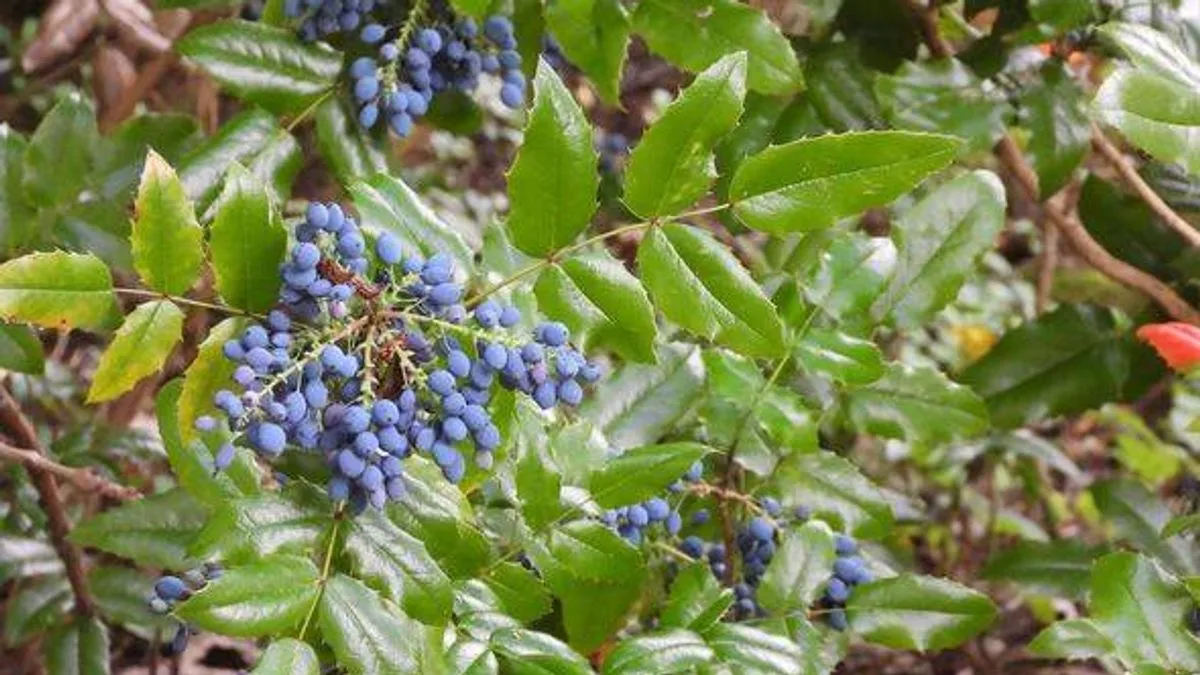
There is, however, one plant that bucks the trend. Eade makes a specific exception for Mahonia. If the plant has finished flowering and looks untidy, he recommends pruning it immediately after flowering—which typically occurs around January—to ensure a good display the following year.
For all other plants on the list, the expert's guidance is clear and simple: the safest course of action is to wait. The correct time to prune stone fruit trees, he confirms, is in the middle of summer on the hottest, driest day, to minimise the risk of disease.