Invasive Apple Snails Plague Louisiana's Vital Agricultural Industries
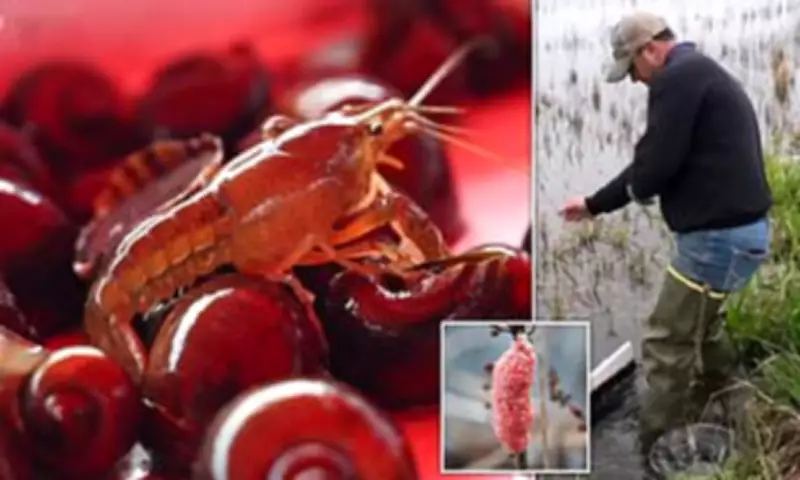
The state of Louisiana is confronting a severe agricultural emergency caused by an invasive pest species. The apple snail, originally native to South America, is wreaking havoc across the region, inflicting significant damage on both crawfish and rice harvests. This slimy invader not only devastates crops but also poses a serious public health risk due to the dangerous parasites it carries.
Dangerous Parasites and Public Health Threats
Apple snails are carriers of the rat lungworm parasite, which can be fatal to humans if transmitted. This parasite attacks the brain and is known to cause meningitis. Additionally, these snails harbour harmful blood and intestinal flukes. The US Centers for Disease Control and Prevention (CDC) has issued warnings about schistosomiasis, a blood fluke infection that can persist for years without proper treatment.
Potential symptoms from these parasites include severe abdominal pain, liver enlargement, blood in stool or urine, and urinary difficulties. The snails entered the United States through irresponsible aquarium dumping, according to Louisiana's Department of Wildlife & Fisheries, and have established themselves in various freshwater environments including lakes, rivers, streams, marshes, ponds, and ditches.

Widespread Infestation and Agricultural Impact
Louisiana State University scientists estimate that approximately 78 square miles of the state are regularly affected by these invasive creatures. Crawfish harvester Josh Courville described the daily struggle, noting that each time he empties his crawfish traps, three to four snails fall onto his boat's metal table. "It's very disheartening," Courville told the Associated Press. "The most discouraging part, actually, is not having much control over it."
These resilient pests can grow as large as baseballs and lay thousands of pale pink eggs monthly. Their near-indestructible nature allows them to survive extreme conditions, making eradication efforts particularly challenging. Researchers are investigating multiple factors behind their rapid spread, including farming methods, pesticide use, global shipping patterns, and potential climate change influences.
Rice Farming Under Siege
Rice cultivation has been severely impacted, with farmers describing scenes reminiscent of science fiction movies. Louisiana farmer Christian Richard recounted how the hungry snails destroyed a 100-acre rice field during planting season. "They would start on those tender rice plants, and they destroyed a 100-acre field," he explained.
To protect their vulnerable crops, Richard and other farmers have adapted their methods. They now allow rice to grow in dry fields initially, only flooding the fields once the plants have strengthened. While this technique has been used historically without pest pressure, it has become the only viable option since the snails' arrival.
Limited Control Options and Economic Consequences
Complete extermination of apple snails remains nearly impossible due to the limitations of available control methods. Many pesticides that could repel the snails would also harm crawfish populations. Since both rice and crawfish are consumed directly by humans, farmers must exercise extreme caution with chemical treatments to avoid contamination of the food supply.
Some agricultural producers are experimenting with copper sulfate applications, but this solution comes with significant costs, adding thousands of dollars to overall production expenses. Christian Richard summarized the economic impact: "This debacle leads to lower production, decreased revenue from that, and increased cost with the extra labor."
The extra labor required involves painstakingly separating crawfish from snails, a process that can consume hours of additional work time. The removed snails are typically destroyed through crushing or freezing methods. This agricultural crisis represents a multifaceted challenge affecting public health, food safety, and economic stability in Louisiana's vital farming communities.