A Cumbrian hill farmer has spoken of her relief after the government raised the inheritance tax threshold on agricultural land and assets from £1m to £2.5m, announced on 23 December. Andrea Meanwell, who runs a family farm near Tebay, said the change removed a huge cloud over their future.
At a farmers' conference near Penrith just before Christmas, an accountant calculated that under the old rules, a typical hill farm like hers would face a bill of £59,000 every year for ten years. Meanwell said that between the farm and off-farm jobs, they could not generate such profit, leaving them terrified about the farm's fate.
The new threshold means small hill farms, which often have high property values due to commercial potential rather than farming income, are less likely to be forced into sale. Meanwell noted that many such farms are sold to become holiday lets or large party houses, and the farm across the river was nearly turned into a safari park before becoming holiday cottages now on sale for £2.35m.
Meanwell's farm supports three generations of her family, and they work to restore wildlife habitats and increase biodiversity. She stressed that small hill businesses are vital to the local community, contributing to rural life and public goods, but need help to survive. The old threshold would have driven many out of business, replaced by owners with different priorities.
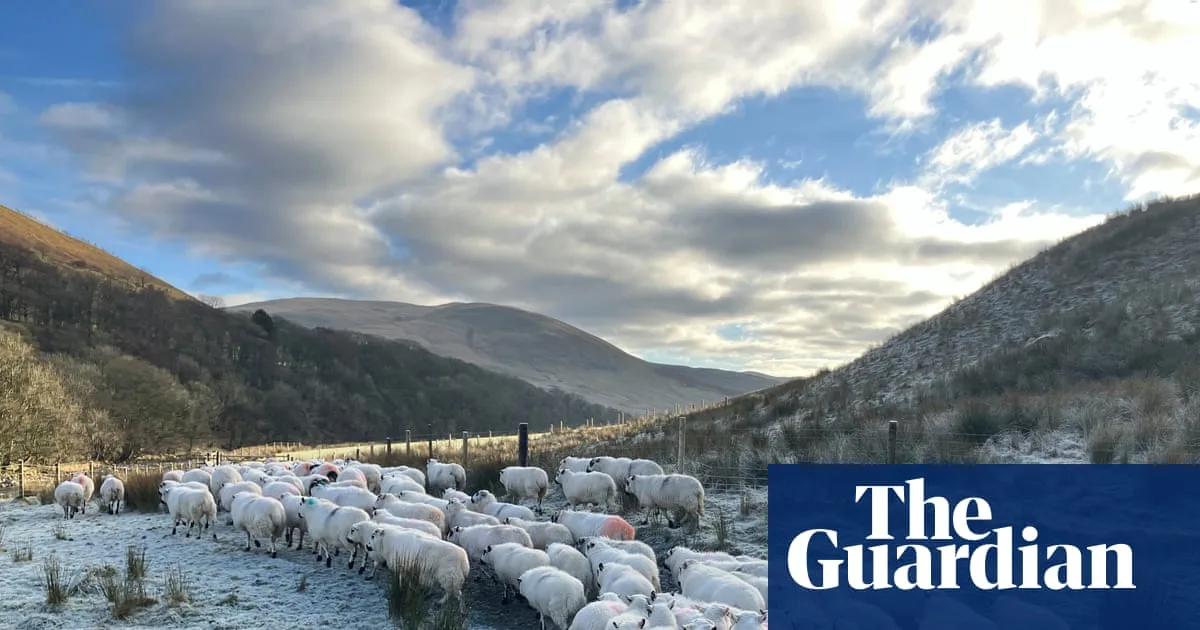
While acknowledging wider issues in farming finances, Meanwell expressed gratitude for the change, saying she can now go about her jobs without dread. Her next task is to check on the sheep in the bitter cold, feeling the future has opened up again.