How to Make a Natural Ivy Killer
British gardeners can tackle invasive ivy without harsh chemicals using a simple homemade solution made from three kitchen staples. Experts at Drip Works recommend mixing one gallon of apple cider vinegar, one tablespoon of salt, and roughly two tablespoons of washing-up liquid in a spray bottle. This combination has been proven to kill ivy effectively and naturally.
Apple cider vinegar works better than white vinegar due to additional compounds beyond acetic acid, which help strip the waxy protective layer from ivy leaves. The acetic acid concentration is key to the solution's success.
Application and Results
The vinegar solution should be applied directly to ivy leaves. It typically takes five to six days to take effect, drawing moisture from the foliage and causing it to wilt. Drip Works advises: "After five to six days, use garden shears and a pruning saw to remove dead ivy that is clinging firmly to the building." If any foliage survives, repeat the treatment until the ivy is fully eliminated.
Why Remove Ivy?
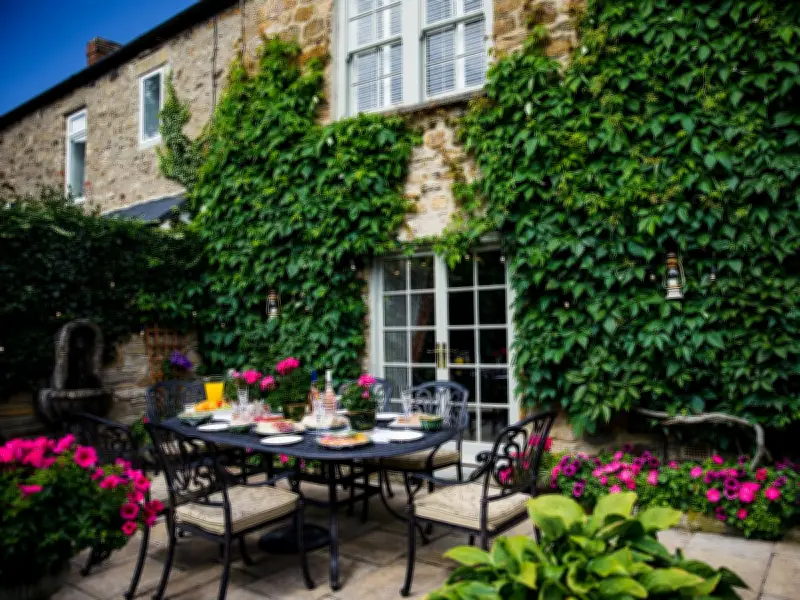
While ivy offers some environmental benefits like shelter for birds and pollination, it can smother other plants, damage mortar in older brickwork, and block sunlight. Robert Quinton, property expert at Construction Megastore Building Materials, warns: "Although ivy can add a charming aesthetic to your property's brickwork, it often does more harm than good. It tends to cling to walls and can creep into small cracks, eventually damaging mortar and creating routes for damp to set in, sometimes leading to serious leaks, and eventually mould."
Manual Removal and Prevention
After the leaves wilt, manually remove the roots to prevent regrowth. Even small root fragments can cause ivy to return. Use garden shears or a pruning saw to cut stems, then dig out the stump and large roots. Scrub remaining root hairs from surfaces with a wire brush or scraper. To prevent regrowth, apply copper or zinc materials to surfaces where ivy previously clung.
Quinton advises wearing gloves during removal, as ivy sap may irritate the skin. For complete removal, carefully cut and peel all stems from the edges inward, using a blunt knife or saw as needed, and sever the main roots at the end.