A High Court judge has dismissed a legal challenge brought by Lanchester Properties against the Forestry Commission's decision to approve a 290-hectare forest planting scheme near Lanchester, County Durham. The firm, part of a group that includes Lanchester Wines and Greencroft Bottling, had argued that the scheme should not proceed without a full Environmental Impact Assessment and that it would interfere with its wind turbine operations.
Background of the Challenge
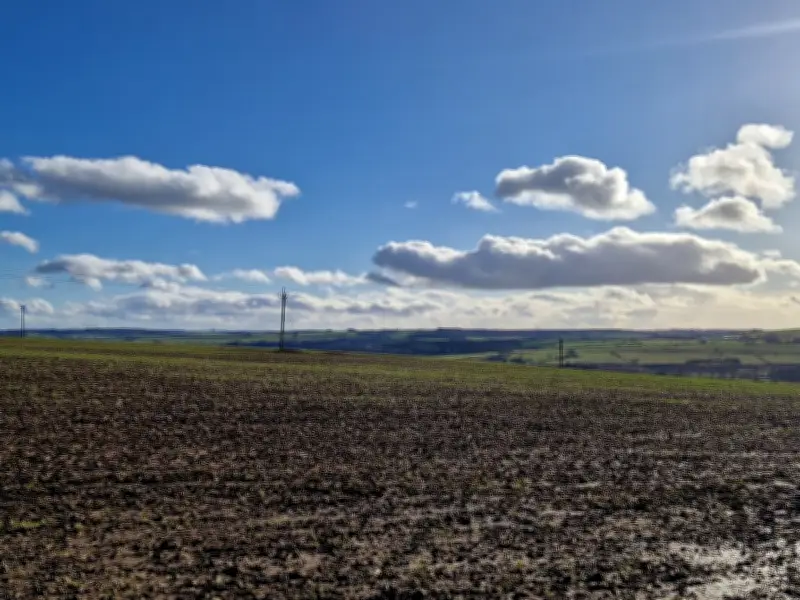
Lanchester Properties challenged the Forestry Commission's approval of the Greencroft Forest Park, a 290-hectare planting project on farmland near Lanchester. The company contended that the 600,000-tree scheme, proposed by True North Asset Partners, would hinder the use of wind turbines that power its operations. The firm also raised concerns about the lack of a full Environmental Impact Assessment.
Court Ruling and Costs
Following a costly legal battle, the High Court judge ruled that the Forestry Commission's decision was reasonable. The case has now been rejected by two High Court judges and has occupied three full days of court time, with legal costs exceeding £500,000. The Greencroft Forest Park plans are said to be the first forestry scheme to be challenged to judicial review in England.
Details of the Forest Scheme
The Greencroft Forest Park could be the largest planting of a forest in England in more than four decades. The vision is for a single, unbroken expanse of forested land managed for commercial purposes. True North has stated that the first timber yield is expected in 2045, with an estimated 110,000 tonnes of sustainable homegrown timber produced in the first rotation.
Lanchester Properties' Concerns
Lanchester Properties says its opposition has never been about opposing trees but rather concerns about the use of non-native, fast-growing Sitka spruce. The firm argues that this puts question marks over the environmental impact and could create turbulence for its nearby wind turbines. Caroline Cleary-MacArthur, a director of Lanchester Properties, said: “While we are naturally disappointed by the outcome of the case, we believe it presents an opportunity to advocate not only for our village but for other rural communities facing similar challenges. We have never opposed tree planting; we recognise the importance of increasing woodland cover and tackling climate change. However, planting commercial non-native Sitka Spruce forests on this scale, directly alongside villages and with little or no public access, is something we believe is fundamentally wrong for the environment.” She added: “Our independently commissioned, self-funded expert reports concluded that mitigating the environmental and landscape impacts of this commercial woodland would cost approximately £2.5m. We believe these wider costs deserve far greater consideration when decisions of this scale are made.”
Response from True North
Harry Humble of True North Asset Partners Ltd said: “We are relieved that this positive outcome has been reached and acknowledge the judge’s careful and considered determination. It is regrettable that this Judicial Review has taken up so much time and money, tied up valuable court resources and delayed much-needed tree planting in England. Now that the case has been resolved, we hope to move forward with the planting and delivering the significant economic, ecological and environmental benefits the forest will bring. The case has now been rejected by two High Court judges and has occupied three full days of High Court time, with legal costs exceeding £500,000. We sincerely hope this legal process has now come to an end and that Lanchester Wines will accept the High Court’s decision. In time, we hope they will also recognise the value of the forestry scheme and support the lasting benefits it will deliver for the local community.”
Next Steps
Lanchester Properties has stated its intention to appeal the High Court decision. The company believes the ruling presents an opportunity to advocate for rural communities facing similar challenges.