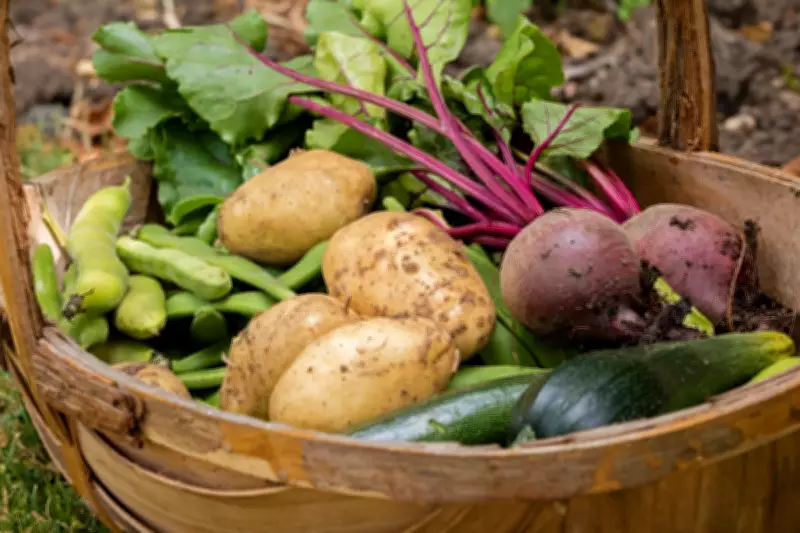
Successful vegetable growers often revel in the abundance of late summer and autumn, when gardens overflow with runner beans, sweetcorn, tomatoes, lettuce, beetroot, courgettes, onions, and many other edible delights. However, to enjoy fresh produce throughout the entire year, meticulous planning is essential to maximise plot utilisation across all seasons.
Strategic Planning for Winter Harvests
Lucy Hutchings, co-founder of the award-winning heirloom seed company She Grows Veg, emphasises the importance of forward-thinking in gardening. "Spring, summer, and autumn offer a myriad of sowing options with most plants thriving outdoors, but winter choices are more limited," she explains. "Planning ahead is crucial, as some varieties require sowing much earlier than many gardeners realise." Hutchings, who is showcasing a secret woodland dining display called Feast at this year's RHS Chelsea Flower Show, advises that the primary sowing period for winter crops is summer, ideally in June or July.
Recommended Winter Crops
For winter vegetables, Hutchings suggests focusing on hardy varieties that can withstand colder temperatures. Brassicas such as cabbages, kales, and cauliflowers are excellent choices due to their resilience. Root vegetables like beetroot and carrots can be sown later, even into August, as they tend to be cold-hardy and develop well as temperatures drop.

Additionally, Asian greens like pak choi are highly recommended for their cold tolerance, providing fresh, green produce during sparse months. These can be sown from summer through early autumn. For salad enthusiasts, cold-hardy lettuces, mizuna, and chicory are viable options, with sowing in late summer yielding harvests in late winter. Chicory, in particular, adds visual appeal by turning dark purple after frost, offering a splash of colour in winter gardens.
Protection and Environmental Considerations
Protecting crops in winter depends largely on your specific growing environment. Hutchings notes that sheltered gardens may not require additional protection, but exposed or northerly locations might benefit from measures like horticultural fleece, cloches, or polytunnels. "In summer, brassicas need fine netting to deter cabbage white butterflies, which can devastate crops by laying eggs," she says. "In winter, focus on protecting leafy crops such as winter salad leaves and Asian greens with fleece or similar coverings."
For those with greenhouses or polytunnels, sowing winter crops undercover can provide extra protection and potentially lead to earlier harvests of brassicas.
Overwintering and Storage Techniques
To extend your harvest into the following year, consider overwintering crops like broad beans and peas, which can be sown from September to November for an early summer yield. Storage is another key strategy for year-round eating. Hutchings recommends incorporating crops that are easy to store without intensive preservation methods.
Beans are a prime example: varieties like the borlotti bean 'Firetongue' or runner bean 'Czar' can be left on the plant to dry, producing beans that store well. Ensure beans are thoroughly dried on a baking sheet in a dry, airy space for two to three weeks before storing in airtight glass jars, where they can last for years.
By integrating these planning, protection, and storage methods, gardeners can enjoy a continuous supply of home-grown vegetables, making the most of every season and transforming their plots into productive havens year-round.