Mastering Year-Round Vegetable Cultivation
For dedicated vegetable growers, late summer and autumn represent a period of abundant reward. This is when gardens overflow with runner beans, sweetcorn reaches perfection, and a diverse array of produce—including tomatoes, lettuce, beetroot, courgettes, and onions—becomes ready for harvest. However, achieving a consistent supply of fresh vegetables across all twelve months requires meticulous forward planning and strategic garden management to maximise plot productivity regardless of seasonal challenges.
Strategic Planning for Continuous Harvests
"Spring, summer, and autumn naturally offer excellent growing conditions," explains Lucy Hutchings, co-founder of the award-winning heirloom seed company She Grows Veg. The company is presenting a secret woodland dining installation named Feast at this year's RHS Chelsea Flower Show. "During these warmer months, there is a vast selection of crops you can sow, and most will thrive outdoors. The winter period, however, presents fewer options. Therefore, advanced planning is absolutely critical. Certain varieties need to be sown much earlier than many gardeners anticipate."
Essential Winter Crop Timelines
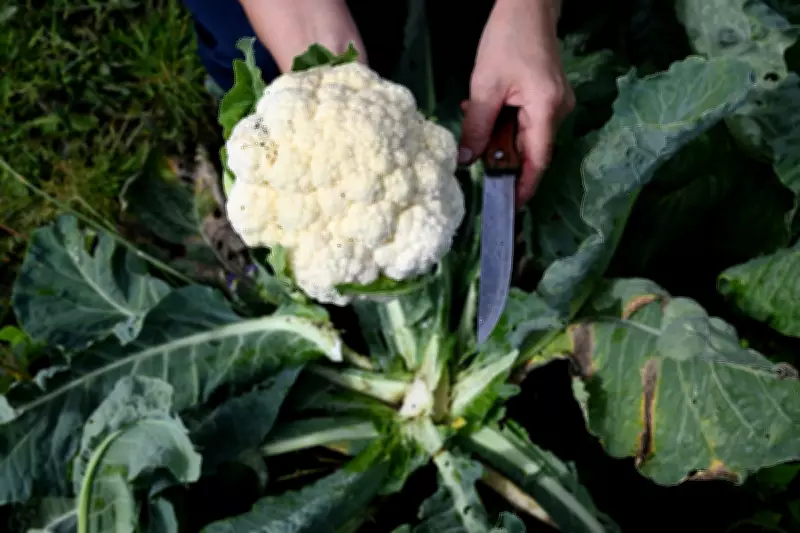
The primary sowing window for winter vegetables is during the summer, ideally in June or July, according to Hutchings. "You can sow various brassicas at this time, such as cabbages, kales, and cauliflowers. These are exceptionally hardy and perfect for winter vegetable production." She notes that root vegetables can be sown even later for a winter yield. "They are generally cold-tolerant and will develop well even as temperatures drop. In August, it's still possible to sow crops like beetroot and carrots."

Incorporating Resilient Asian Greens
Hutchings strongly recommends including Asian greens in winter planting plans. "These varieties tend to be remarkably cold-hardy and flourish during the colder months, providing fresh, green produce when other options are scarce. Vegetables like pak choi are excellent additions." These can be sown from summer through to early autumn.
Maintaining Salad Leaf Production
For continuous salad supplies, consider cold-hardy lettuces and mizuna. Chicory is another valuable option, as it truly excels when temperatures fall. Sow these in late summer for harvests in late winter. "For most of the summer, chicory resembles an ordinary green lettuce," Hutchings describes. "But once frost touches it, the leaves develop intense colour, turning a deep purple. When flowers and other garden colour are absent, vegetables can provide that vibrant visual appeal."
Protective Measures for Winter Gardens
Whether winter crops require protection depends largely on your specific growing environment and geographical location. "Understanding your garden's microclimate is key," Hutchings advises. "In a smaller, sheltered garden, additional protection might be unnecessary."
Summer Protection for Brassicas: "Brassicas need protection in summer because pests are highly attracted to them. Fine netting is essential to keep butterflies, particularly cabbage whites, from laying eggs that can devastate the crop."
Winter Protection for Leafy Crops: "In winter, especially in northern or exposed gardens prone to hard frosts, it's wise to protect leafy crops. Winter salad leaves and Asian greens are most vulnerable. Cover them with horticultural fleece. While cloches or polytunnels are ideal, a simple layer of fleece secured with bricks or stones works effectively."
Utilising Undercover Sowing
For enhanced protection, consider sowing winter crops undercover in a greenhouse or polytunnel. This method can lead to slightly earlier brassica harvests.
Overwintering Crops for Early Spring
Sow certain crops in autumn to secure an early harvest the following year. Broad beans and peas can be sown from September through November for this purpose. They can also be sown in early spring for a summer yield.
Smart Storage for Winter Provisions
When selecting summer crops, incorporate varieties suitable for storage to provide food during winter. "This doesn't require labour-intensive preservation like chutney-making," Hutchings clarifies. "Many vegetables are simple to store for consumption in colder months. Beans are a prime example."

"When choosing French beans, include a variety excellent for drying. Many types serve as dual-purpose crops: you can enjoy fresh green beans, then leave the remainder on the plant to dry for winter storage in glass jars." She recommends varieties like the borlotti bean 'Firetongue' and the runner bean 'Czar', which produces plump butter beans if left to mature.
Proper Drying Technique: "Ensure beans are thoroughly dry. I prefer to let them semi-dry on the plant until the pods swell, then harvest and shell them." Dry them on a baking sheet in a warm, dry location like an airing cupboard for two to three weeks before transferring to an airtight glass jar, where they can remain viable for years.