Gaza family's garden of resistance: Planting hope amid Israeli bombardment
Gaza family plants garden as act of rebellion

In the midst of relentless Israeli airstrikes and a deepening humanitarian crisis, one family in Gaza undertook a quiet but powerful act of defiance: they planted a garden. For the al-Wawi family, each seed sown became a statement of hope and a vital source of sustenance.

A Defiant Decision to Grow

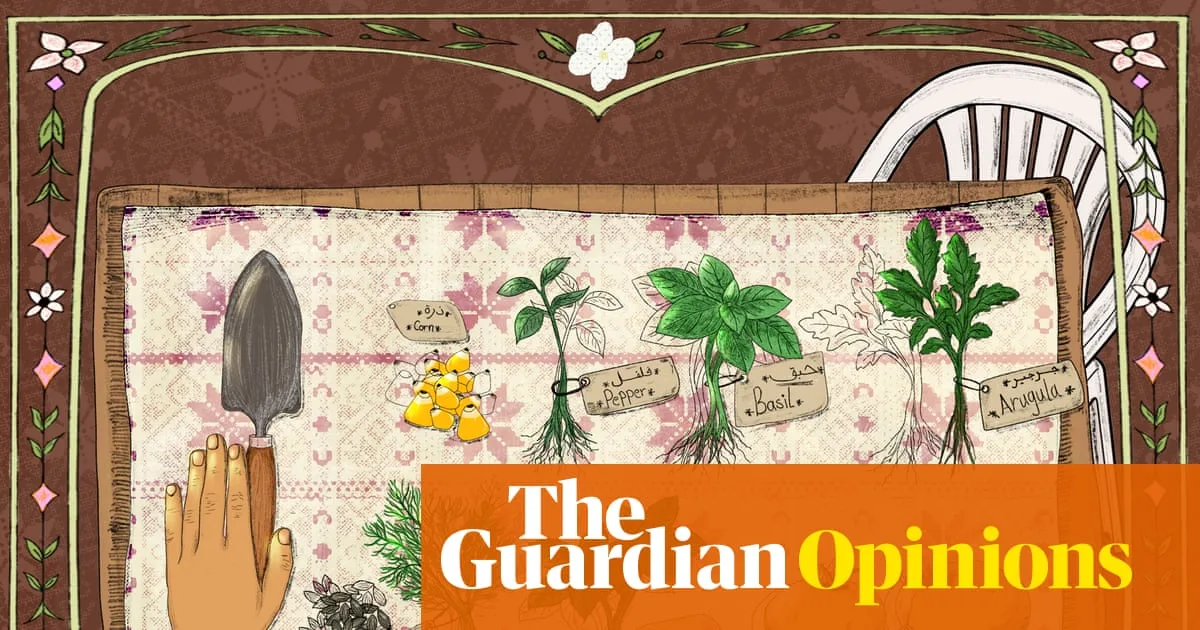
As bombs fell and supplies dwindled, Taqwa Ahmed al-Wawi's father and older brother, Mohammed, made a critical choice. They decided to extend their small crop, investing in seedlings and seeds purchased from a local farmer tending a rare patch of green. Their purchases were modest but significant: 30 corn seeds for 15 shekels (roughly $5), three pepper seedlings at $2 each, two eggplant seedlings, and herbs including mint, basil, arugula, and the local herb ain jarada.

"To plant is to believe in tomorrow," their father said as he pressed the seeds into the soil. This philosophy became their guiding principle as food transformed into a luxury, with scarcity and inflated prices defining daily life. The weight of hunger was a constant, oppressive presence.

The Harsh Reality of Cultivation in Conflict

The work of nurturing their garden was gruelling. Water, once freely available, had become a precious commodity. The family had to carry heavy buckets over 200 metres from a communal queue, where neighbours waited to fill their jugs. Under a merciless sun, they watered and tended the plants, each drop representing a tiny victory.

They faced previous heartbreak; a mango seedling nurtured by Mohammed for ten months died when the family was forced to flee to Rafah for five months. This loss informed their new strategy: focus on hardy plants like corn, potatoes, and herbs that could survive with less care in Gaza's harsh conditions.

Harvesting Pride and Sustenance

The garden's success became a source of profound joy and practical relief. The 30 corn kernels grew into proud, chest-high stalks. Potatoes were harvested and boiled or fried, their taste enriched by the struggle behind them. Fresh mint tea, and salads peppered with arugula and ain jarada, provided not just nutrition but a crucial sense of achievement.

Today, the garden persists alongside the family's ancient olive, fig, and citrus trees. It stands as a chronicle of endurance and quiet rebellion in a land ravaged by conflict. For Taqwa and her family, this small plot of earth is more than a source of food; it is a testament to the unyielding belief in life's continuity, cultivated leaf by leaf and root by root.