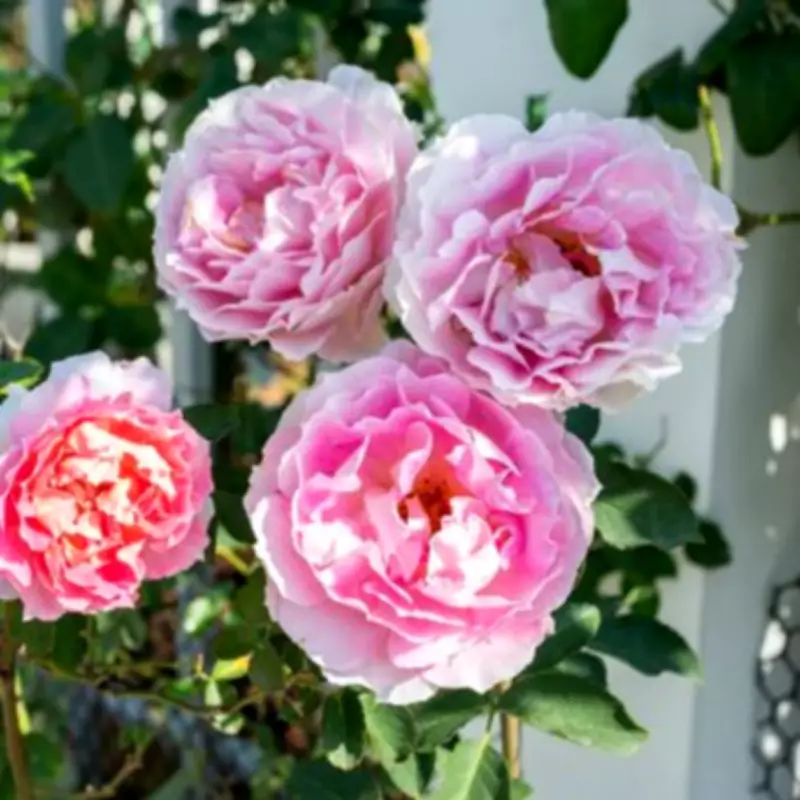
Essential February Pruning for Climbing Roses to Prevent Tangled Growth
Climbing roses require timely pruning in February to ensure robust growth and a profusion of flowers, according to expert guidance from the Royal Horticultural Society. As the month concludes, gardeners have a final opportunity to complete this vital horticultural task, which prevents plants from becoming an unruly thicket of branches with sparse blooming.
Why Pruning Is Crucial for Climbing Roses
The Royal Horticultural Society underscores that annual pruning is fundamental for climbing roses to develop vigorously and produce abundant blooms each season. "Rose pruning ensures that plants grow vigorously and flower well each year," the RHS explains. "If left, climbing roses can become a tangled mess of branches with very few flowers. Although often considered complicated, rose pruning is not difficult if you follow this guide." This process not only enhances floral display but also maintains plant health and structure.
Distinguishing Climbing Roses from Rambling Varieties
Identifying climbing roses correctly is key, as they differ from rambling roses in their flowering patterns. Experts recommend observing bloom cycles: climbing roses typically produce repeat flowers throughout summer and into autumn, whereas ramblers usually flower just once, often in June. This distinction informs pruning timing and techniques, ensuring optimal care for each type.

Step-by-Step Pruning Instructions for Climbing Roses
Winter Pruning Window: The RHS advises pruning climbers in winter, after flowers fade, between December and February. Long, whippy shoots should be shortened or tied in autumn to prevent wind damage.
- Begin by removing any dead, diseased, or dying stems to promote plant health.
- Secure fresh shoots to fill gaps in supports, ensuring proper growth direction.
- Prune flowered side shoots back by two-thirds of their length to encourage new growth.
- For congested plants, cut out very old branches from the base to stimulate renewal.
Rejuvenating Overgrown Climbing Roses
For gardeners dealing with neglected or overgrown climbing roses, a more intensive approach is necessary:
- Clear away all dead, diseased, deteriorating, and feeble growth thoroughly.
- Prune some older woody stems down to ground level, retaining no more than six healthy, strong shoots for tying to supports.
- Remove any dead stumps at the plant's base, as these can trap moisture and lead to decay.
- Trim back lateral shoots on remaining stems and reduce tips by one-third to invigorate new growth.
Post-Pruning Care for Thriving Roses
After pruning, support rejuvenated plants by applying a granular rose fertiliser across the soil and adding a layer of mulch. This nourishes the roots and helps climbing roses flourish in the following spring, ensuring a stunning display of blooms throughout the growing season. Proper care now sets the stage for a vibrant, healthy garden later in the year.