A Cumbrian hill farmer has spoken of the profound relief sweeping her family business after a surprise government announcement dramatically altered the inheritance tax landscape for agricultural land.
A Terrifying Tax Bill for a Typical Hill Farm
Just before Christmas, the farmer attended a conference near Penrith where an accountant laid out the stark reality of inheritance tax under the old rules. Using an example of a typical upland farm like her own in Tebay, Cumbria, the calculation revealed a potential bill of £59,000 every year for ten years.
"This terrified me," she admits. Between the farm's modest income and off-farm jobs, generating such profit was impossible. The family sought legal advice, facing an uncertain future where keeping their land seemed financially untenable.

The December Surprise That Changed Everything
However, on 23 December, the government delivered an unexpected announcement. The threshold for inheritance tax on land and business assets was raised from £1 million to £2.5 million.
"I feel I can breathe again," the farmer says, describing the moment her phone began beeping with the news as she walked on the fells. A huge cloud over their future had lifted. While she didn't cry, she felt the sudden reopening of possibilities for the farm that sustains three generations of her family.
Why Small Hill Farms Are So Vulnerable
The farmer highlights the critical yet precarious position of small hill farms in communities like hers. These businesses are vital to the local area and environment but do not generate large profits. Their property values are often inflated by commercial potential for holiday lets or luxury "party houses," not for their agricultural worth.
She points to a neighbouring farm across the river, which was nearly turned into a safari park and is now holiday cottages listed for sale at £2.35 million. Under the old £1 million threshold, her own farm could have faced a similar fate, forced to sell to new owners with no connection to the community or rural life.
"We care for this land, doing what we can to restore wildlife habitats and increase biodiversity," she explains. Their goal is to pass the holding on in good hands, maintaining its role in the landscape.
Public Money for Public Goods
The farmer acknowledges wider issues in farming finances, noting that government support does not always reach those who actively contribute to their communities. However, she argues that family farms like hers provide "public goods" – from environmental stewardship to sustaining rural life – and deserve help to survive.
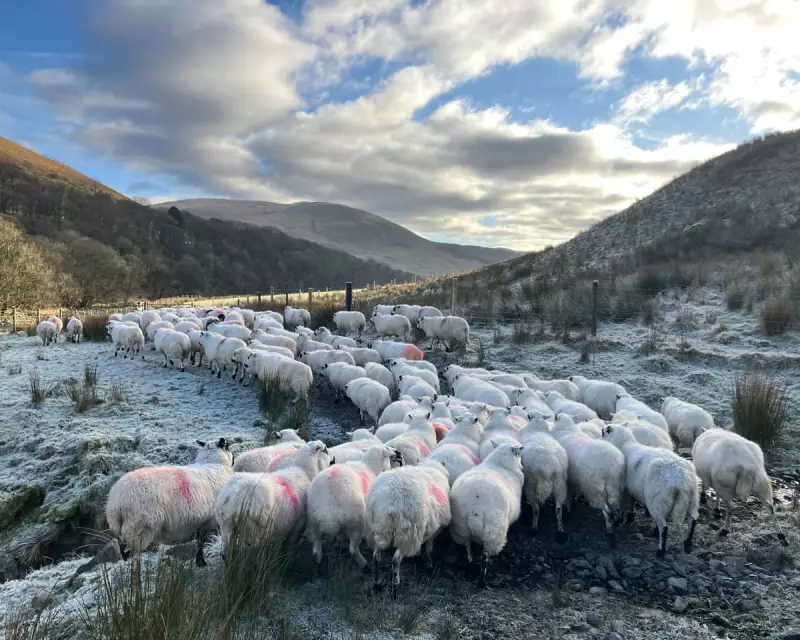
For now, the immediate financial threat has receded. On a bitterly cold day, her next task is to check on the sheep. "Thank goodness I can go about it without feeling dread for the future," she concludes, a simple statement underscoring the profound impact of the policy change on the ground.