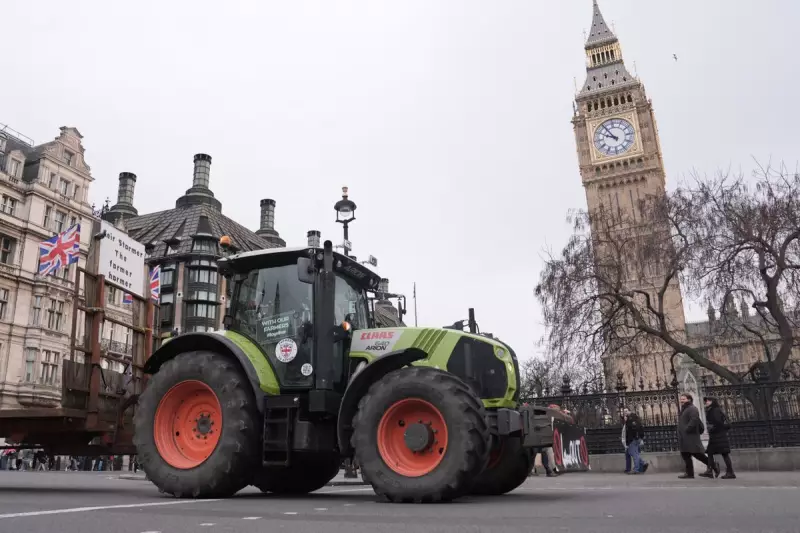
The Conservative Party has declared that the profound personal toll on farming families will not be forgotten, following a significant government U-turn on inheritance tax rules for agricultural assets.
A Major Policy Reversal
In a climbdown announced on Tuesday, the Labour government has substantially watered down its initial plans. The threshold for full inheritance tax relief on qualifying agricultural and business assets will now be raised from £1 million to £2.5 million. This dramatic shift follows months of intense protests and dire warnings from the farming community, including reports of some farmers contemplating suicide over the financial burden of passing their businesses to the next generation.
This policy change, set to take effect in April, means that spouses or civil partners will be able to pass on up to £5 million in qualifying assets between them before inheritance tax becomes due, on top of existing personal allowances. For assets above this new threshold, farmers will receive 50% relief, leading to a reduced effective tax rate of up to 20%, rather than the standard 40%.

The Human Cost Behind the Headlines
The emotional impact of the original policy was starkly highlighted by Jonathan Charlesworth, a farmer whose father, John Philip Charlesworth, took his own life in a barn on their farm in Silkstone, Barnsley, the day before last October's budget. Mr Charlesworth stated that while the U-turn was welcome, it came too late for some. He expressed hope it would “prevent a flood of suicides running up to the commencement in April”, but accused ministers of a “complete lack of understanding and compassion”.
His sentiments were echoed by Baroness Minette Batters, the former head of the National Farmers' Union (NFU), who had previously raised the alarm about the mental health crisis brewing in the countryside due to the tax fears. The government estimates the revised policy will reduce the number of estates facing higher inheritance tax bills from around 2,000 to approximately 1,100, impacting only the largest farm operations.
Political Scrutiny and Reaction
The announcement, made on Christmas Eve with Parliament in recess, drew immediate criticism for its timing. Shadow Environment Secretary Victoria Atkins said it meant MPs were unable to scrutinise the details “properly”. She acknowledged the U-turn but stressed it had come at a “very, very high economic cost” due to plummeting business confidence and record farm closures, as well as a devastating personal cost for families.
The original plans had also caused significant internal strife for Labour, with Penrith and Solway MP Markus Campbell-Savours losing the party whip earlier this month for voting against them. He remains expelled, with Labour stating it will review his suspension in due course.
Environment Secretary Emma Reynolds defended the new policy, stating the government had “listened closely to farmers across the country” and was acting to “protect more ordinary family farms”. She argued it was right that larger estates contribute more while supporting the backbone of rural Britain.
NFU President Tom Bradshaw said the change would be a “huge relief to many” and greatly reduce the tax burden. However, Conservative leader Kemi Badenoch insisted the “fight isn’t finished”, as other family businesses remain affected. Liberal Democrat spokesman Tim Farron called for the “unfair tax” to be scrapped entirely, warning many family farms would still be financially crippled.